Ban on Subsidies for Illegal and Overfished Fisheries
WTO's First Agreement Addressing Environmental Sustainability
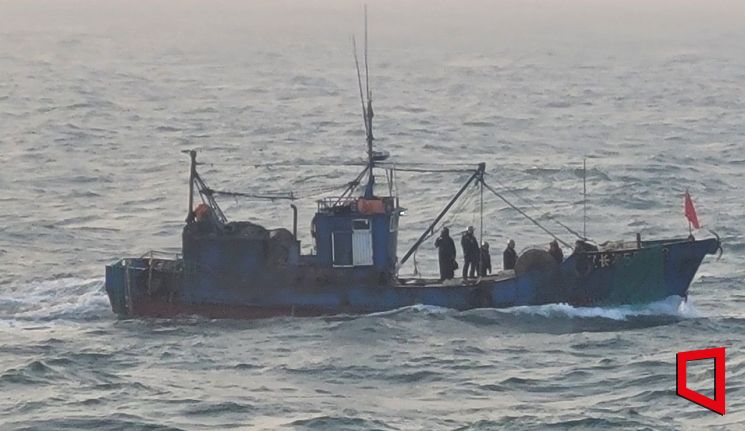
The World Trade Organization (WTO) Agreement on Fisheries Subsidies officially entered into force on September 15. With more than 111 out of 166 WTO member countries-equivalent to two-thirds-accepting the agreement, it has become an international norm 24 years after negotiations began in 2001.
The agreement prohibits the granting of subsidies for: ▲ illegal, unreported, and unregulated (IUU) fishing; ▲ fishing of overexploited fish stocks; and ▲ unregulated high seas fishing. Since Korea already fulfills these obligations through relevant laws such as the Fisheries Industry Act, significant changes to domestic regulations are not expected.
This agreement was concluded at the 12th WTO Ministerial Conference in June 2022, and member countries have since been ratifying the protocol to incorporate it into the WTO agreements. Korea completed its domestic ratification process with presidential approval on September 12, 2023, and subsequently deposited its instrument of acceptance at the WTO high-level meeting in Geneva on October 23 of the same year.
The entry into force of the Fisheries Subsidies Agreement is significant in that it establishes multilateral rules to curb so-called "harmful subsidies," which have been identified as a major cause of global fish stock depletion. The WTO expects this measure to contribute to strengthening international cooperation on sustainable fisheries management, curbing overfishing, and restoring resources.
Furthermore, this is the second multilateral negotiation outcome since the Trade Facilitation Agreement (which entered into force in 2017) following the establishment of the WTO, and the first agreement to directly address environmental sustainability. It is therefore expected to have a positive impact on restoring the WTO's standing. At a time when the multilateral trading system is being shaken by the spread of protectionism, the agreement also carries symbolic significance by demonstrating that the WTO can still contribute to the creation of international norms.
However, unresolved issues remain, such as subsidies that lead to overfishing and overcapacity, and special preferential provisions for developing countries. Follow-up negotiations on these matters are ongoing. An official from the Ministry of Trade, Industry and Energy stated, "We will closely analyze the impact on the domestic fisheries industry and actively respond to ensure that a balanced agreement is reached by reflecting the opinions of stakeholders."
© The Asia Business Daily(www.asiae.co.kr). All rights reserved.











