Tannins in Matcha May Hinder Iron Absorption
Experts: "Moderation Is Essential"
Experts have issued a warning that excessive consumption of matcha, which has become explosively popular among Millennials & Gen Z, can lead to iron deficiency anemia.
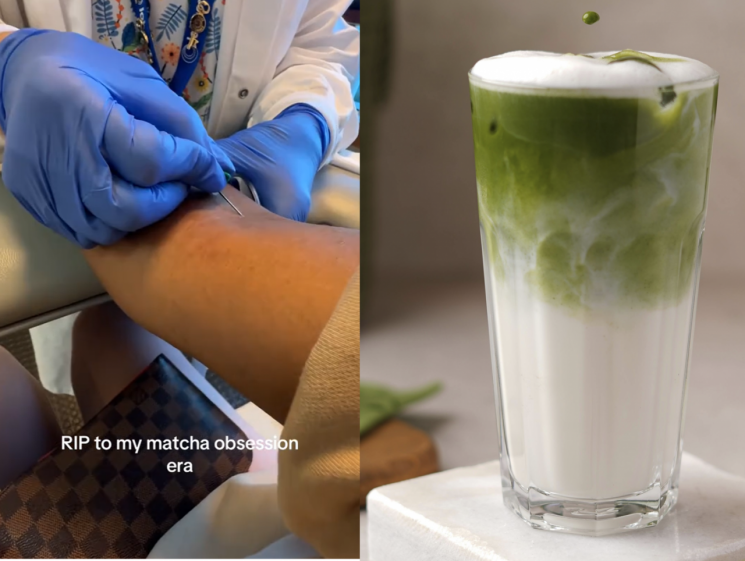 An influencer revealed that they are suffering from severe anemia due to matcha latte. TikTok, Pexels
According to the British media outlet Daily Mail, Lynn Shazin, a 28-year-old nurse and lifestyle, fashion, and beauty influencer, recently revealed on social media that she suffered from severe anemia due to her regular consumption of matcha drinks. Shazin said, "I already had anemia, but about three months ago, I began experiencing increased fatigue and severe itching, and the only change in my daily life was an increase in my matcha intake."
After Shazin's case became known, more people began sharing on social media that they also experienced unusual symptoms after drinking matcha beverages. In particular, many individuals who already had anemia reported experiencing extreme fatigue and decreased iron levels after increasing their matcha consumption.
Tannins in Matcha... May Interfere with Iron Absorption
Like green tea, matcha is derived from the Camellia sinensis plant and is known for various health benefits, including liver protection, improved heart health, and weight loss. Matcha lattes have recently gained explosive popularity among Millennials & Gen Z who prioritize health management, leading to severe supply shortages in major producing countries such as Japan.
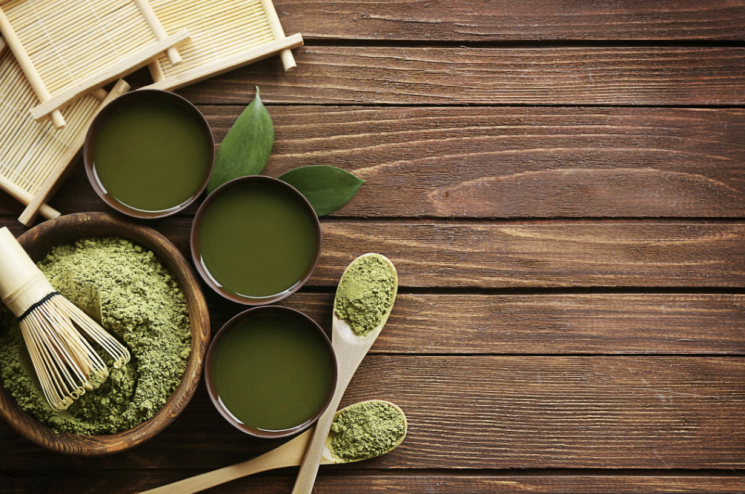
However, experts warn that people with low iron levels who consume excessive amounts of matcha may develop iron deficiency anemia. This is because the tannins in matcha can interfere with the body’s absorption of iron. Tannins are polyphenolic compounds commonly found in nature, present in tea, wine, and nuts.
Dr. Sophie Dix, Head of Medical Product and Content at the US online healthcare company Zocdoc, told the Daily Mail, "Drinking too much matcha can cause iron deficiency anemia, and it can be especially risky for people who already have low iron levels or those following a plant-based diet."
Dr. Dix explained, "Like other green teas, matcha contains compounds called tannins and catechins, which inhibit the absorption of non-heme iron found in plant-based foods," adding, "The more frequently you consume matcha during or immediately after meals, the more likely it is that your body’s iron absorption will decrease."
"No Issue If Consumed in Moderation"
However, there is no significant problem if you stick to a proper intake. Dr. Dix advised, "For these issues to occur, you would need to drink several cups of highly concentrated matcha every day over an extended period," and recommended, "Take iron supplements at least one to two hours before drinking matcha, and consuming vitamin C together can help enhance iron absorption." She added, "Moderation is key, and for people with a balanced diet, drinking one or two cups a day is unlikely to cause major issues."
Nutritionist Jenna Werner said, "Most foods can have adverse effects if consumed in excess, and matcha is no exception." Werner explained, "Excessive consumption of caffeinated beverages can suppress appetite. If you replace iron- and nutrient-rich foods with caffeinated drinks and reduce your total food intake, it can lead to anemia."
She added, "It is not surprising that some people experience nutritional deficiencies when excessive caffeine intake (from matcha) is combined with an unbalanced or restrictive diet," and emphasized, "Overconsumption of matcha or caffeine can be linked to deficiencies in iron or other nutrients. It is always important to consume these in moderation."
© The Asia Business Daily(www.asiae.co.kr). All rights reserved.













