Until November 30: "Magpie and Tiger: Hojak"
Seven Works on Display
A Diverse Exploration of Hojakdo
The Leeum Museum of Art is holding its permanent special exhibition, "Magpie and Tiger: Hojak 虎鵲," through November 30.
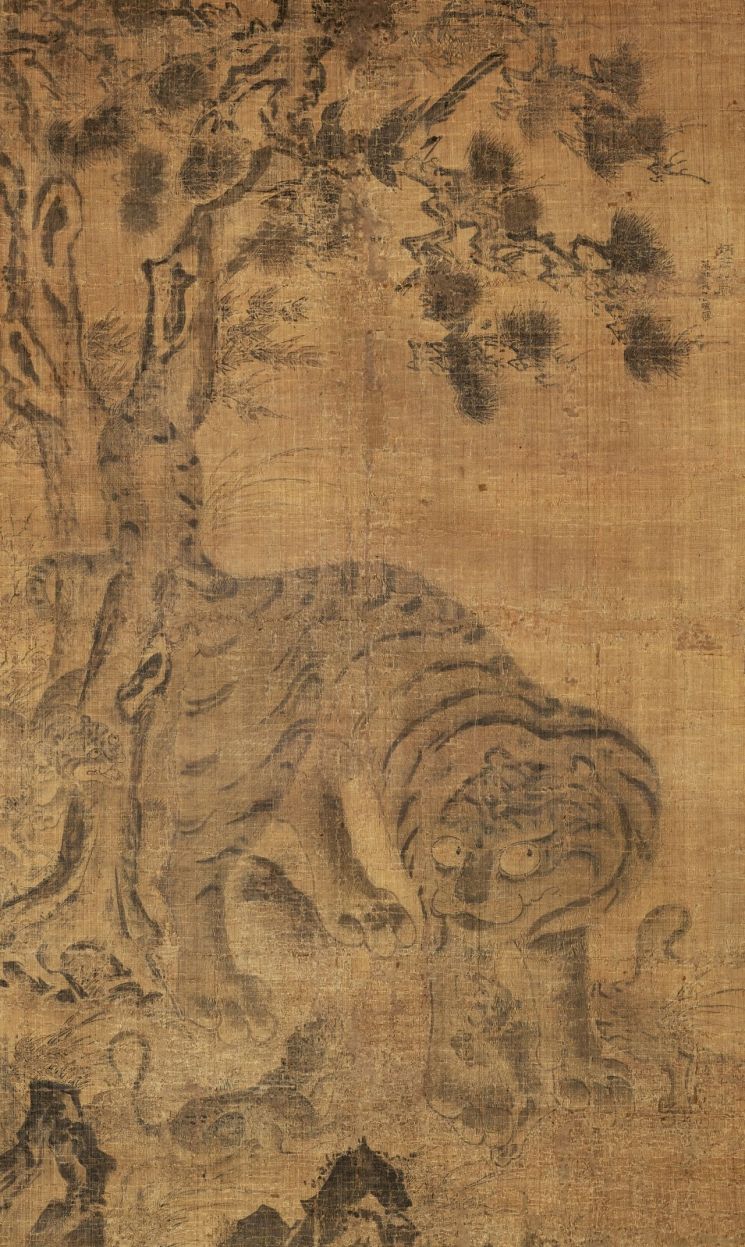
This exhibition showcases the essence of traditional Korean art, revealing the Korean sense of aesthetics, wit, and social satire through the familiar motifs of tigers and magpies. The exhibition provides a clear overview of the broad spectrum and multi-layered meaning of Hojakdo, ranging from late 16th-century works that illustrate the origins of the magpie and tiger motif, to 19th-century folk paintings that established wit and satire in popular culture, and to the orthodox paintings of Kim Hongdo.
The exhibition features seven works related to the magpie and tiger theme, including the first-ever public display in Korea of "Hojakdo" (1592, Leeum Museum of Art collection). This is the oldest surviving magpie and tiger painting in Korea and is significant for illustrating how the Hojakdo format, which originated in the Yuan Dynasty of China, evolved into a uniquely Korean style. Painted in the year of Imjin (1592), it is also notable for being created in the style of traditional painting rather than folk art.
The exhibition also presents a 19th-century "Hojakdo," known as the "Picasso Tiger" for its abstract expression reminiscent of Picasso’s style. The striking contrast between the yellow tiger skin and bold black ink lines, along with the tiger’s simple yet humorous expression, brings a smile to viewers’ faces. This work inspired "Hodori," the mascot of the 1988 Seoul Olympics, and is regarded as a representative example of folk paintings featuring the magpie and tiger motif.
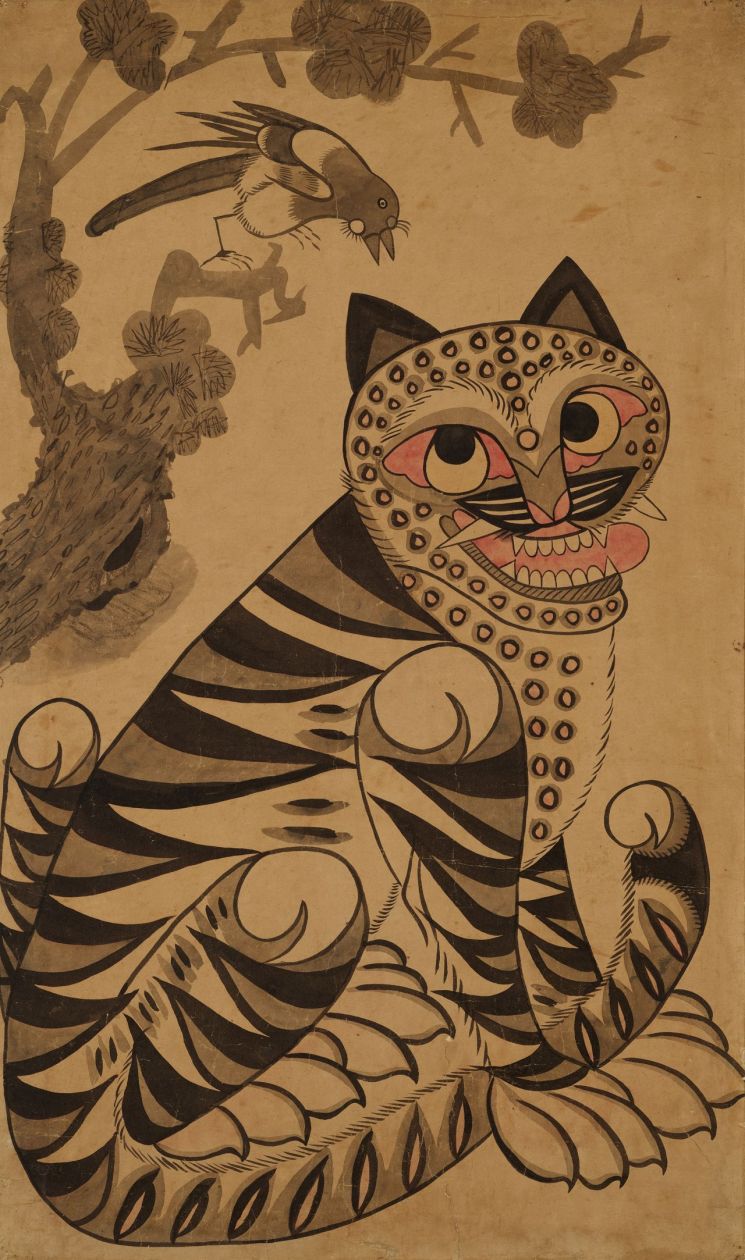
The "Hojakdo" believed to have been painted by Shin Jaehyun in 1874 is an exceptionally rare example among surviving magpie and tiger paintings, as both the artist and the date of creation are known. By combining the tradition of "Yuhodo" (depicting a mother tiger and her cubs) with the magpie, it presents an intriguing composition.
"Hopi Jangmakdo," which depicts a tiger-skin curtain, blends the belief that tiger skin wards off evil spirits with elements of literary culture, such as the inclusion of a poem by Dasan Jeong Yak-yong. This demonstrates that tiger paintings were popular both as traditional paintings and folk art, among both the literati and the general public, with each group interpreting them differently.
Additionally, the exhibition features "Songhamanghodo" by Danwon Kim Hongdo, a master painter of the late Joseon Dynasty. This work, completed in Kim Hongdo’s distinctive realistic style, exemplifies the dignity of orthodox painting, while the posture of the tiger turning its body under a pine tree echoes the "Chulsanho" (Tiger Emerging from the Mountain) motif, the prototype of the folk magpie and tiger paintings. The exhibition allows visitors to witness the dynamic interplay and mutual influence between orthodox painting and folk art in Joseon-era art.
With the recent global popularity of the Netflix animation "K-Pop Demon Hunters," the Korean symbol of the tiger is once again attracting worldwide attention as a cultural icon. In this context, the exhibition highlights both the historical and cultural significance of Hojakdo and its contemporary influence.
Jo Ji-yoon, Head of the Collection Research Office at the Leeum Museum of Art, stated, "This exhibition explores the journey of the tiger, painted by our ancestors 430 years ago, to becoming a K-culture icon today. It is a unique opportunity to trace the origins of Korean characters that are captivating the world and to gain a deeper understanding of our traditional culture."
Reservations for the exhibition can be made through the Leeum Museum of Art website, and admission is free in conjunction with the permanent exhibition of antique art.
The Leeum Store is offering a variety of merchandise related to the exhibition. These items reinterpret the tiger and magpie from traditional folk Hojakdo paintings in a modern way while preserving the spirit of the originals, including money envelopes, postcards, paper fans, mugs, eco-bags, and blankets.
© The Asia Business Daily(www.asiae.co.kr). All rights reserved.













