K-Content Leads, Instagram Drives
Taiwan Shows 'Positive' Sentiment, Japan 'Neutral Dominant'
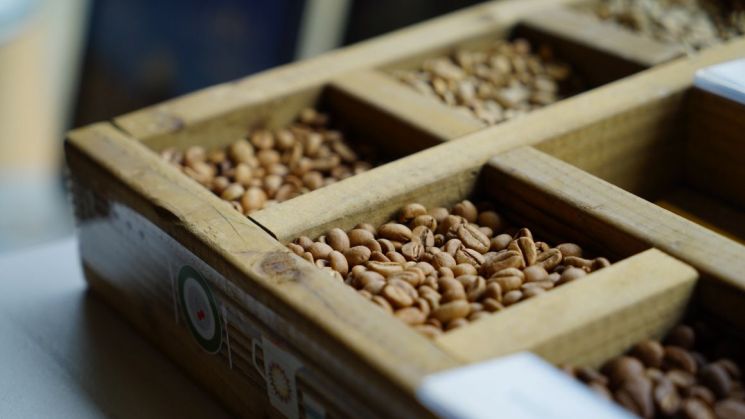
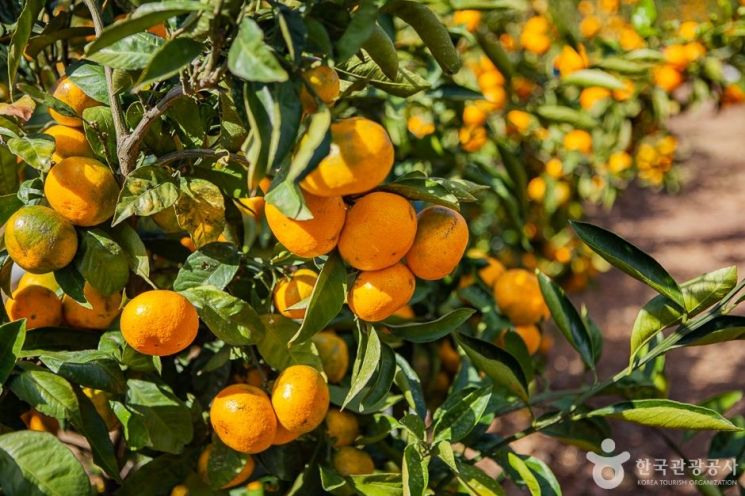
The three Jeju foods that have captivated the palates of foreign tourists are black pork, tangerines, and coffee.
On September 4, the Jeju Tourism Organization published a report titled "Jeju Interest Content Seen Through Overseas Social Media: Food," which analyzed the interest and reactions to Jeju cuisine on social networking services (SNS) in Japan, Taiwan, and Singapore.
This analysis targeted countries where the 2024 Jeju Visitor Survey showed a high proportion of respondents citing "food/gastronomic exploration" as a key travel consideration. Using keywords such as "Jeju+eat" or "Jeju+travel+eat," the organization collected and analyzed overseas social data from June 2023 to May 2025, covering the most recent two years.
K-Content Leads, Instagram Drives
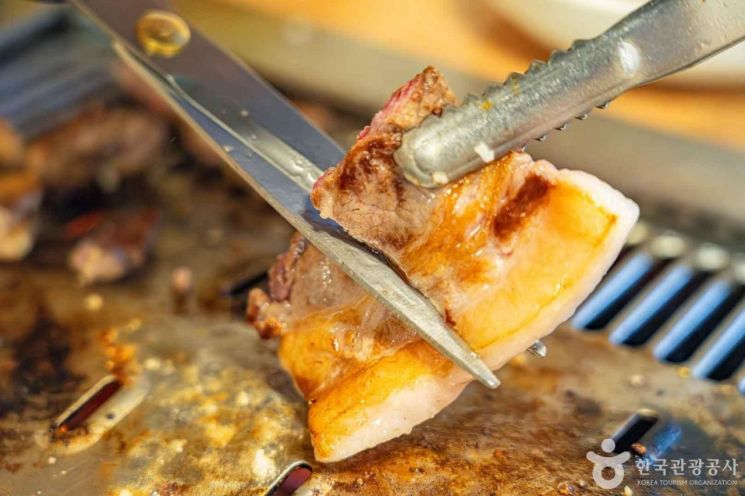
Looking at the rankings of popular foods, black pork ranked first, followed by tangerines in second place, and coffee in third. The organization explained that a common pattern emerged: at certain points in time, a surge of posts centered on these keywords led to a rapid increase in data volume.
For example, when a scene featuring Jeju black pork appeared on the Japanese variety show "Reardol WEST," clips of people eating black pork were widely shared across various social networking services such as X (formerly Twitter) and Instagram, resulting in a sharp spike in mentions. For tangerines and coffee, there were also multiple periods when personal reviews were widely shared.
The analysis found that the most influential factors in Jeju food-related data were the group BTS and the global SNS channel Instagram. In particular, in Japan, mentions of restaurants and foods visited by idols such as BTS accounted for 25.1% (8,049 out of 32,011) of all references, highlighting the strong interest in K-content.
Taiwan "Positive," Japan "Neutral Dominant"
Sentiment analysis of reactions to Jeju food showed that in Japan, 21% were positive, 78% neutral, and 1% negative; in Taiwan, 71% were positive, 27% neutral, and 2% negative; and in Singapore, 47% were positive, 47% neutral, and 6% negative. The organization interpreted this as indicating a very positive sentiment toward Jeju cuisine in Taiwan, explaining that most posts about personal food experiences and restaurant recommendations in Jeju expressed positive emotions.
A representative from the Jeju Tourism Organization stated, "Through the analysis of Jeju food keywords by country, we were able to specifically identify not only what foods foreigners expect and consume in Jeju, but also the preferred media and buzz volume characteristics by country." They added, "We expect these results to serve as practical foundational data for future strategies utilizing gastronomic content and social media marketing."
© The Asia Business Daily(www.asiae.co.kr). All rights reserved.














