The Gyeonggi Provincial Government is set to strengthen its preventive management of group cafeterias and school food suppliers, where the risk of food poisoning outbreaks is high. This measure follows statistics indicating that large-scale food poisoning incidents have been increasing at school cafeterias and similar facilities during the autumn season.
According to the Ministry of Food and Drug Safety on September 3, there were 37 food poisoning outbreaks involving 1,898 people throughout Gyeonggi Province last year. While the number of outbreaks (50 cases) decreased by 26% compared to 2023, the number of patients (1,841) increased by 3.1%. It is analyzed that while small-scale, multiple outbreaks have decreased, the number of large-scale food poisoning cases has increased.
The facilities responsible were as follows: 8 school group cafeterias with 724 patients, 10 non-school group cafeterias with 472 patients, and 15 restaurants with 403 patients. The period from June to September accounted for 24 outbreaks and 1,423 patients, representing 75% of the total annual cases.
Notably, compared to the five-year average, the number of patients in the spring (March to May) last year decreased from 255.8 to 124, while the number of patients in the autumn (September to November) increased from 253.2 to 495.
The causative pathogens were norovirus (3 outbreaks, 491 patients), pathogenic E. coli (4 outbreaks, 473 patients), and salmonella (6 outbreaks, 223 patients).
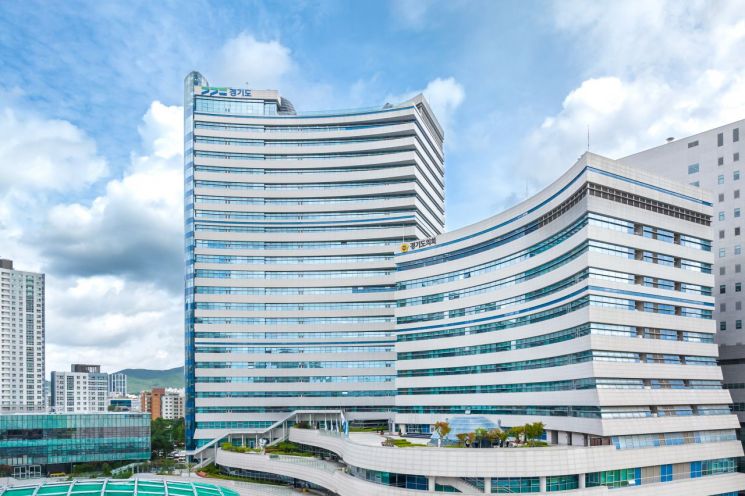
Compared to the 2023 data, the number of patients at non-school group cafeterias decreased by 24.8%, while the number of patients at restaurants increased by 45.0%, and at school group cafeterias increased by 287%, respectively. Additionally, the number of patients with pathogenic E. coli decreased by 41.5%, and those with salmonella decreased by 57.5%, but the number of norovirus patients increased by 134.9%.
In response, the Gyeonggi Provincial Government will conduct an emergency inspection of 1,648 school cafeterias and similar facilities by September 11. It will also produce and distribute a food poisoning prevention guidebook to group cafeterias and high-risk restaurants, such as raw meat restaurants, sashimi restaurants, and gimbap shops, where the risk of food poisoning is particularly high.
Furthermore, the Gyeonggi Food Safety Policy Support Group plans to strengthen education and public awareness by distributing vomit cleanup kits to daycare centers to prevent the spread of infection in the event of suspected norovirus cases.
Jung Yeonpyo, head of the Food Safety Division at the Gyeonggi Provincial Government, stated, "Up until September, food poisoning cases tend to continue increasing due to lingering heat, and with schools reopening, the risk of outbreaks is extremely high. We urge thorough hygiene management at school cafeterias and strict personal hygiene among residents to prevent food poisoning."
© The Asia Business Daily(www.asiae.co.kr). All rights reserved.












