Expiration Date Scandal at Ministop in Japan
Full Investigation Reveals 25 Stores Involved, Up from Initial 23
Measures Announced: Data Cross-Checks, New Label Printers, Kitchen Cameras
Once Praised for In-Store Food Preparation, Ministop F
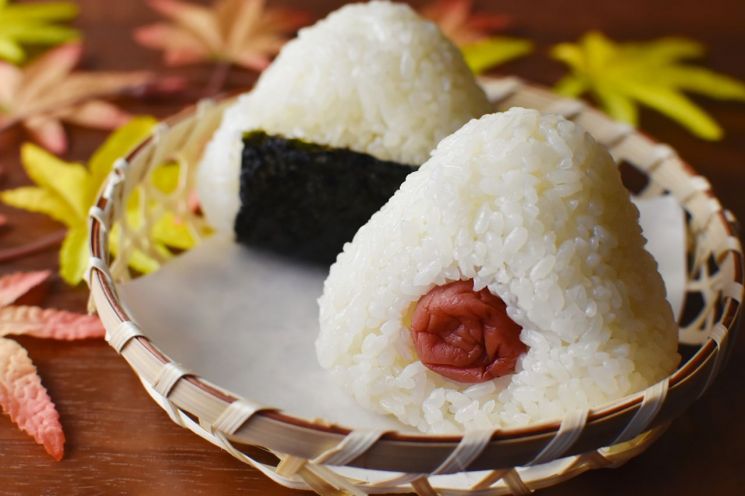 Some Ministop stores in Japan manipulated the expiration dates of handmade rice balls (Onigiri) and lunch boxes. The photo is of rice balls to help understand the article. Pixabay
Additional cases have been uncovered in which the Japanese convenience store chain Ministop manipulated the expiration dates of handmade rice balls (Onigiri) and lunch boxes produced and sold in its stores.
On September 1, Ministop headquarters announced that, after investigating all 1,786 stores, it had confirmed labeling violations at 25 locations. This is an increase from the 23 stores initially reported last month, with two more identified through a comprehensive investigation. As of September 1, the 25 stores found to have manipulated expiration dates are located in Saitama Prefecture (3), Tokyo (2), Aichi Prefecture (2), Kyoto (3), Osaka Prefecture (11), Hyogo Prefecture (2), and Fukuoka Prefecture (2).
Immediately after the incident came to light, the company suspended the production of handmade rice balls and lunch boxes at all stores on August 9, and from August 18, it also halted the preparation of side dishes in stores. The investigation revealed that cases of expiration date manipulation occurred at stores in seven regions: Saitama, Tokyo, Aichi, Kyoto, Osaka, Hyogo, and Fukuoka. Ministop stated, "We lacked awareness regarding food safety and honest business practices," and added, "We deeply apologize to our customers, franchisees, and relevant authorities."
As measures to prevent recurrence, the company announced: regular cross-checking of production, sales, and disposal data; the establishment of a quality control officer reporting directly to the president; the introduction of new label printers and kitchen cameras; strengthened hygiene inspections by external organizations; the creation of an internal reporting channel called 'Kitchen 110'; and retraining for all employees. Ministop plans to resume in-store food production only after confirming that these measures have been properly implemented.
Ministop rose to fourth place in the industry by emphasizing in-store food preparation, but is now facing backlash after manipulating the expiration dates of such products. On August 18, Ministop admitted that in 23 stores across seven prefectures nationwide, the expiration dates of handmade rice balls and lunch boxes had been falsified and sold. At one store in Kawanishi, Hyogo Prefecture, staff told health authorities that they had replaced expiration date labels for the past year and a half to two years because they did not want to discard the products.
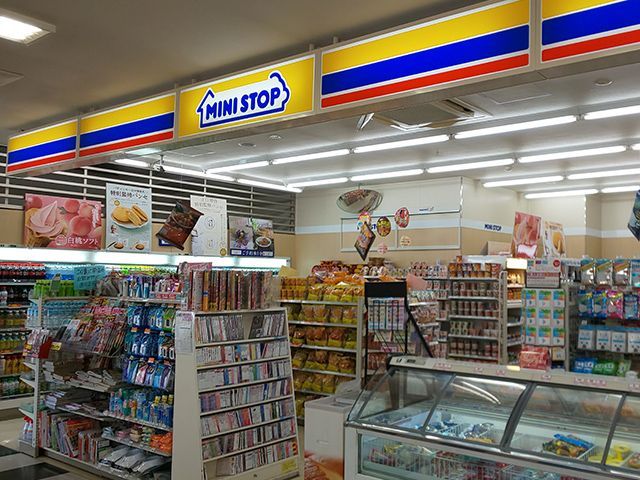
The controversy has grown as 16 stores in the Kansai region alone were found to be involved. In an interview with Kansai TV, store manager A admitted, "I personally instructed the manipulation of expiration dates," and added, "I thought it would be fine for two to three hours, so I did not feel much guilt." He revealed that he had been doing this for about a year. The methods included either not attaching labels immediately after cooking and instead labeling them two hours later to extend the expiration, or replacing the labels on already displayed products to prolong their shelf life. As a result, the store was able to reduce monthly disposal costs by about 20,000 yen (approximately 180,000 won).
The manager stated, "Headquarters did not instruct us to break the law," but explained, "For new products, we were told to make a lot, and when unsold items piled up, we extended the expiration dates to reduce waste." In response, Ministop headquarters clarified, "The manipulation was the decision of each store, and headquarters was not involved," adding, "We set target numbers based on sales data and determine them through agreement with each store."
Experts believe the background to this incident involves the short shelf life of in-store prepared products, high sales targets, and the franchise structure. They also point out that promoting unmanned and automated operations-such as switching to cooking after receiving orders-could reduce inventory waste and address rising labor costs.
© The Asia Business Daily(www.asiae.co.kr). All rights reserved.













