Surging Demand for North-Facing Homes Amid 'Monster Heat Wave'
Advantages Include Lower Housing Costs and Reduced Energy Consumption
The 'monster heat wave' is shaking even the housing preferences of Japanese people. As record-breaking heat continues year after year, south-facing homes, once considered the symbol of a 'housing price premium,' have lost their appeal, while north-facing homes that offer shade from the sun are emerging as a new residential trend.
Surge in Demand for North-Facing Homes... "So Many Contracts, There Are No Vacancies"
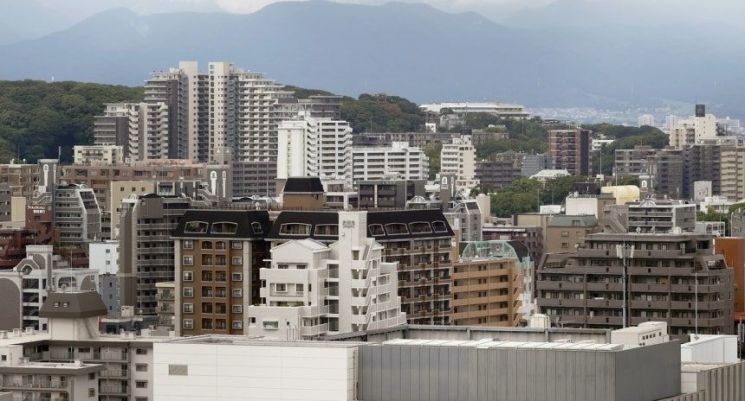
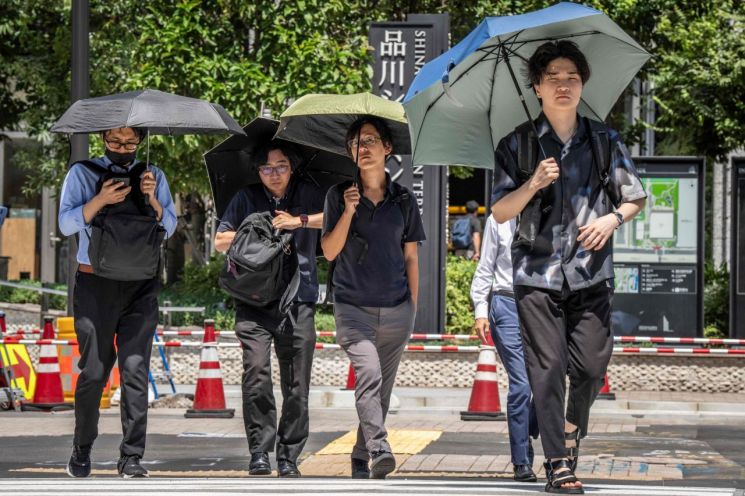
This summer's heat wave in Japan has reached critical levels. According to the Nihon Keizai Shimbun, central Tokyo recorded ten consecutive days of extreme heat starting from August 18. This is the longest streak since weather observations began in 1875. From the end of last month, temperatures exceeded 40 degrees Celsius for four days in a row, and on August 5, Isesaki City in Gunma Prefecture set a new all-time high of 41.8 degrees Celsius.
The unprecedented heat wave has even changed the criteria by which Japanese people choose their homes. Traditionally, south-facing houses have been preferred in Japan. Sunlight from the south has been considered a 'safe choice' because it reduces winter heating costs, dries laundry efficiently, and lowers humidity to create a comfortable indoor environment.
However, the situation has recently reversed. On August 27 (local time), Asahi TV reported on the real estate market in Hachioji, Tokyo, stating, "North-facing homes are already so popular that there are no vacancies." Hiroyuki Takahashi (41), who runs a real estate agency in Tokyo, explained, "South- and west-facing homes are avoided because the sunlight is too strong, while north-facing homes are relatively comfortable, so demand is concentrated there."
"Cool and Comfortable Even Without Air Conditioning in Summer"
Josuke (26), an office worker in his twenties who used to live in a south-facing home, is about to move into a north-facing home. He said, "When strong sunlight comes in, it's dazzling and the indoor temperature rises quickly. I decided that a home with less sunlight is much better in the summer."
Isao (45), who has lived in a north-facing home for five years, expressed his satisfaction. He said, "There is enough natural light, so it's not dark, and in the summer, the indoor temperature doesn't exceed 30 degrees Celsius, so I can get by without air conditioning in the morning. Thanks to good insulation, winter is not uncomfortable, and the summer comfort makes it a great place to live."
Monthly Rent Is Also 10% Cheaper... Even More Economic Appeal
The relatively low rent is another advantage of north-facing homes. In one apartment in central Tokyo, even with the same condition of being a three-minute walk from the station, the monthly rent for a south-facing home is 50,000 yen (about 470,000 Korean won), while a north-facing home is about 45,000 yen (about 420,000 Korean won), making it roughly 10% cheaper. With reduced indoor heat and less need for air conditioning, which also saves on electricity bills, the perception of north-facing homes as 'cost-effective housing' is spreading.
Experts point out that abnormal weather could fundamentally change future residential trends and lifestyles. Some believe that as heat waves become commonplace, cooling efficiency could become a more important criterion than sunlight exposure.
© The Asia Business Daily(www.asiae.co.kr). All rights reserved.













