Unprecedented Global Comparison of COVID-19's Impact
on Mortality, Healthcare Utilization, and Disease Burden
Analysis of Over 1 Billion People Across 31 Countries
The research team led by Professor Hyesun Seo from the College of Pharmacy at Kyung Hee University has, for the first time globally, comprehensively identified and compared the impact of the COVID-19 pandemic on worldwide mortality rates, healthcare utilization, and disease burden across countries.
 (From left) Kyunghee University Dr. Kyungsun Choi, student Minseol Jang, Seoul National University Professor Sangjun Park, Kyunghee University Professor Hyesun Seo. Kyunghee University
The results of this study were published in the latest issue of the renowned medical journal EClinicalMedicine. In addition, the research team was listed in the "People Who Made Korea Shine" section of the Biological Research Information Center.
Previous studies on the COVID-19 pandemic have focused on specific diseases and individual countries, resulting in limited findings. To gain a multifaceted understanding of the long-term and overall impact of the pandemic, Professor Seo's team analyzed and utilized ten years of large-scale healthcare big data from 31 countries, including Japan, the United States, and South Korea.
The research team analyzed population data covering more than 1 billion individuals. In terms of scale and scope, this is unprecedented in global COVID-19 pandemic research.
The team applied the interrupted time-series method to track changes in disease-specific mortality rates, healthcare resource utilization, and disease burden before and after the pandemic.
The results showed that during the pandemic, there was a significant increase in mortality rates and healthcare burden for various diseases, including reduced healthcare accessibility, infectious diseases, and cardiovascular diseases. Notably, the upward trend in mortality from ischemic heart disease continued even after the pandemic. Mortality rates related to hypertension and liver diseases also rose sharply immediately after the pandemic.
Immediately following the pandemic, overall healthcare utilization-including outpatient visits and hospital stays-declined. Subsequently, care related to cancer and mental health disorders showed signs of recovery.
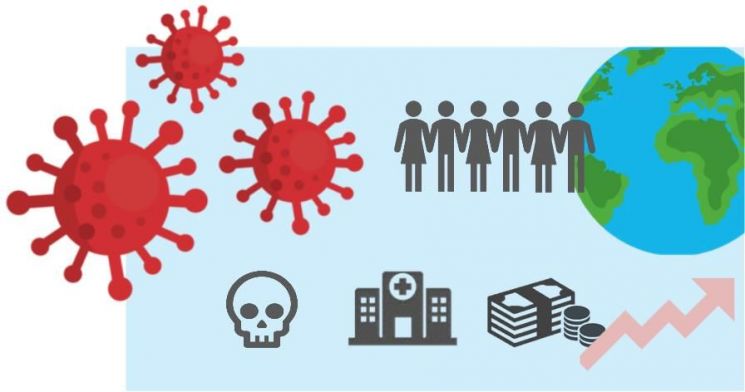
Detailed analysis by disease revealed that healthcare utilization for chronic intestinal diseases decreased, while outpatient visits related to thyroid and liver diseases, sleep disorders, and mood disorders increased.
Professor Seo explained, "This study is the first to comprehensively identify the impact of the COVID-19 pandemic on various diseases and healthcare utilization worldwide through cross-country comparisons."
This research was supported by the Regulatory Science Research Program of the Ministry of Food and Drug Safety.
© The Asia Business Daily(www.asiae.co.kr). All rights reserved.












