Rapid Response Amid Power, Water, and Communication Outages
Overcoming Crisis Through On-Site, Field-Oriented Action
The rapid on-site response and customized support provided by Gapyeong County in Gyeonggi Province are emerging as a model case for dealing with heavy rain damage. In particular, swift action taken for residential facilities for people with disabilities, which were isolated due to power outages, water supply cuts, and communication failures, is drawing attention.
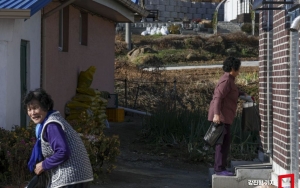
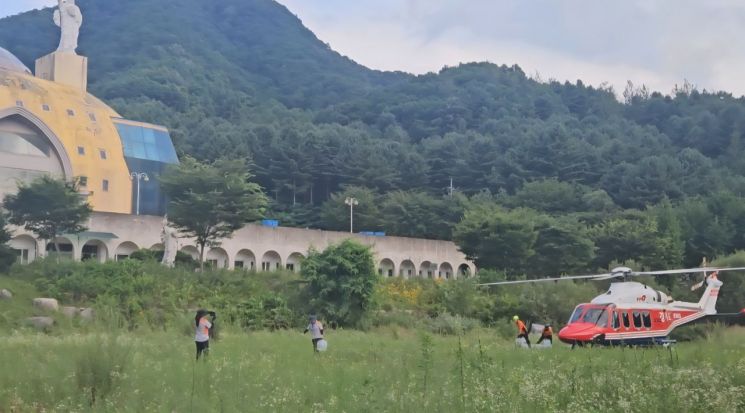 Gapyeong County is emerging as a model case for rapid on-site response and customized support in dealing with heavy rain damage. Photo by Gapyeong County
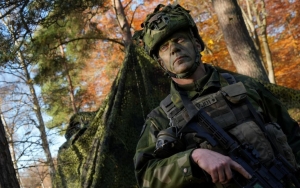
According to Gapyeong County on August 8, following the torrential rain on July 20, staff from the county’s Social Welfare Division, with the cooperation of helicopters from the Korea Forest Service and the National Fire Agency, urgently airlifted 1,250 bottles of 2-liter drinking water to the "Little Jesus Society Holy Family Home" in Jojong-myeon, which was cut off from electricity, water, and communication. At the same time, relief supplies were provided through the Korean Red Cross, with priority given to protecting disaster-vulnerable groups.
On the same day, at two other residential facilities for people with disabilities?"House of Poor Hearts" and "St. Vincent Environmental Village"?which were affected by landslides and mud inflow, the county provided rapid equipment support through the head of Yulgil 2-ri village in Sang-myeon and facilitated swift emergency restoration with assistance from military units. The Director of Welfare for Gyeonggi Province and related public officials also visited the sites to support urgent measures.
Gapyeong County’s emergency response was also notable in areas suffering from water supply cuts. The Waterworks Office supplied a total of 743 tons of tap water by water tankers to 38 locations in Gapyeong-eup, Sang-myeon, Jojong-myeon, and Buk-myeon. Including public vehicles, private water tankers, and support vehicles from Gimpo City, a total of 365 deliveries were made to ensure the continued supply of water for daily use.
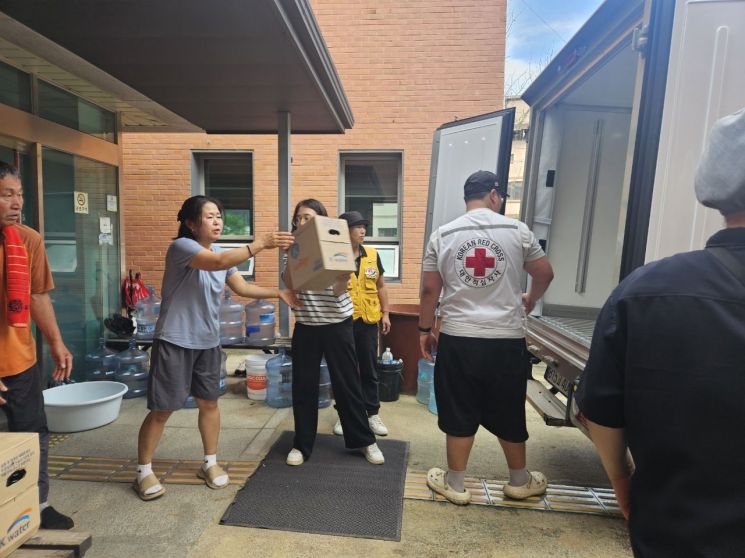 Gapyeong County is emerging as a model case for rapid on-site response and customized support in dealing with heavy rain damage. Photo by Gapyeong County
In particular, in Yulgil-ri, Sang-myeon, where the water supply was suspended due to the loss of the main water pipeline, a total of 5,630 tons of water was delivered by tanker trucks to the reservoir several times a day until emergency repairs were completed, ensuring residents’ basic needs were met.
Villages and households that were unable to receive any water due to broken village water facilities or malfunctioning groundwater systems were also supplied with water without delay. In addition, 70,000 bottles of drinking water donated by five organizations?Seoul Metropolitan Government, Yangpyeong County, Gimpo City, Uijeongbu City, and Korea Water Resources Corporation?were directly loaded onto trucks by county staff and distributed to village halls and senior centers.
A Gapyeong County official stated, "Customized support focusing on infrastructure blind spots such as facilities for people with disabilities and isolated villages played a significant role in minimizing inconvenience for residents," adding, "We will continue to implement disaster-resilient administration based on cooperation between the public sector, private sector, and military."
© The Asia Business Daily(www.asiae.co.kr). All rights reserved.