Concerns Over Decreased Raw Milk Production and Decline in Quality
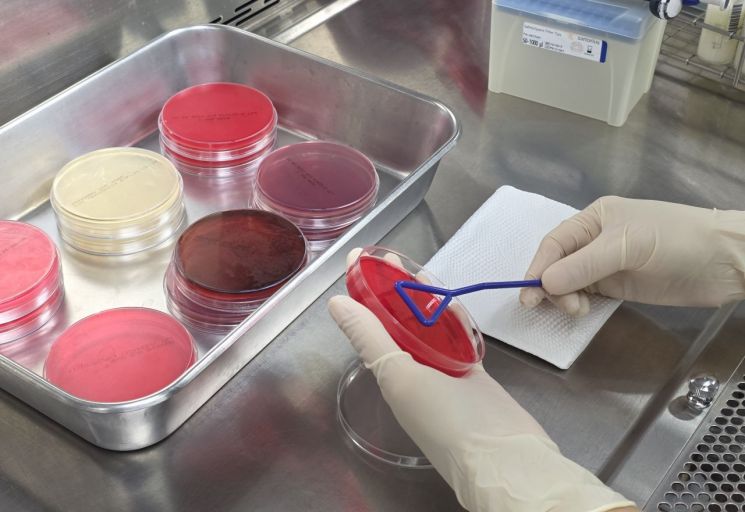 Jeollanamdo Animal Hygiene Testing Laboratory is providing various preventive measures to prevent the decrease in raw milk production by dairy farmers due to the heatwave. Provided by Jeonnam Province
The Jeollanamdo Animal Hygiene Testing Laboratory has urged dairy farmers to strengthen their feeding management and livestock hygiene practices, expressing concerns that the ongoing heatwave is making dairy cows susceptible to heat stress, which can lead to weakened immunity, decreased raw milk production, and a decline in milk quality.
During periods of extreme heat, it is essential to install shades in barns to protect livestock from direct sunlight. In addition, fans and ventilation systems should be equipped to help cows dissipate body heat quickly.
Farmers should also provide cool water frequently to ensure cows have sufficient hydration. To maintain nutritional balance, protein and vitamin supplements should be added to feed, and high-quality roughage should be supplied appropriately to prevent a decrease in feed intake.
Because high temperatures and humidity facilitate the growth of pathogenic microorganisms, it is important to regularly clean and disinfect both the interior and exterior of barns, and to implement pest control measures. Milking hygiene is also crucial: before milking, udders should be washed and dried with a clean towel, and after milking, teats should be thoroughly cleaned and completely dried to maintain proper hygiene.
The Jeollanamdo Animal Hygiene Testing Laboratory is currently implementing a mastitis prevention program for farms with a somatic cell count of grade 3 or higher.
Jung Jiyeong, Director of the Jeollanamdo Animal Hygiene Testing Laboratory, stated, "Dairy cows are most comfortable at temperatures between 4 and 20 degrees Celsius, so efforts to lower barn temperatures are necessary during the summer." He also urged, "We ask farmers to keep barns clean, regularly carry out pest control and disinfection at least once a week, and make efforts to prevent summer diseases and improve raw milk quality."
© The Asia Business Daily(www.asiae.co.kr). All rights reserved.












