Rat Sightings Increase Across the City After Heatwave and Flooding
Local Governments Install Smart Rat Traps
Concerns Rise Over Spread of Infectious Diseases With High Fever, Chills, and Other Symptoms
With the recent heatwave and flooding, sightings of rats have become more frequent throughout urban areas, raising concerns about the potential spread of rat-borne infectious diseases such as leptospirosis and hemorrhagic fever with renal syndrome.
Recently, posts have appeared on district office complaint boards reporting rat infestations at bus stops and underground shopping malls. In response, local governments are implementing pest control measures such as installing smart rat traps.
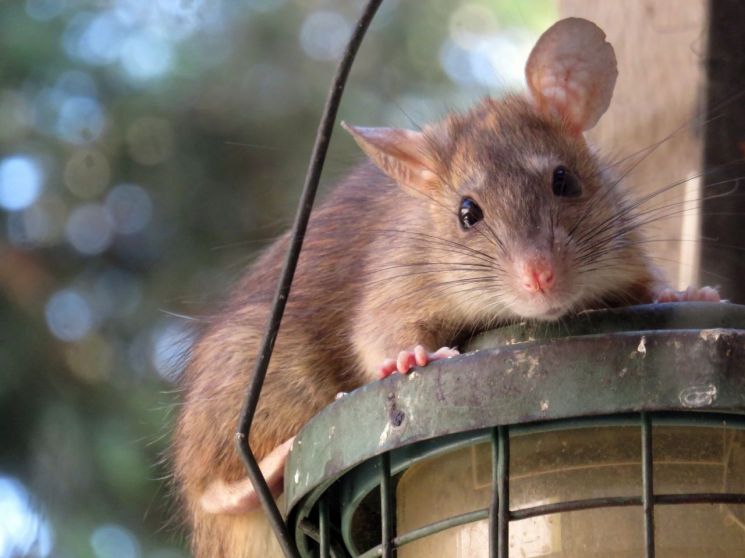
Since last year, Gangdong District in Seoul has installed eighty smart rat traps. Gwanak District has also set up seven smart rat traps and rat poison at Seoul National University Station, Sillim Station, and Bongcheon Station on Subway Line 2.
As the rat population grows, concerns about the spread of infectious diseases are increasing. According to the Korea Disease Control and Prevention Agency on August 4, major zoonotic diseases associated with rats include leptospirosis and hemorrhagic fever with renal syndrome. These diseases are all transmitted through water or soil contaminated with rat urine. The pathogens can also enter the body through skin wounds when working outdoors without boots or gloves.
The main symptoms are fever, muscle pain, chills, headache, and abdominal pain. In some patients, inflammation can develop in the liver, kidneys, lungs, or meninges. If the disease becomes severe, it can progress to sepsis, pulmonary hemorrhage, jaundice, or renal failure, with a fatality rate of about 5 to 15 percent.

Leptospirosis is transmitted through water or mud contaminated with the urine of rodents or livestock, and human-to-human transmission is rare. The incubation period varies from 2 to 30 days. In Korea, the number of patients tends to increase between September and November, following flooding or heavy rainfall. Over the past five years, the number of cases has fluctuated: 144 in 2020, 125 in 2021, 59 in 2022, 59 in 2023, and 70 in 2024.
Hemorrhagic fever with renal syndrome is an acute infectious disease caused by a virus transmitted from infected rodents to humans. After an incubation period, the disease can progress to hypotension, shock, and hemorrhage.

After an incubation period of up to 12 weeks, symptoms such as high fever, chills, eye pain, muscle pain, headache, facial flushing, abdominal pain, and nausea may appear. The disease can then progress to hypotension, shock, hemorrhage, and acute renal failure. Causes of death include shock, brain disorders, acute respiratory failure, and pulmonary hemorrhage, with a fatality rate of about 5 to 15 percent. Most patients recover, but some may experience complications such as decreased kidney function or cerebral hemorrhage.
© The Asia Business Daily(www.asiae.co.kr). All rights reserved.













