Draft Executive Order Requires "Political Neutrality" from Banks
Conservative and Religious Groups Claim Discrimination in Banking Services
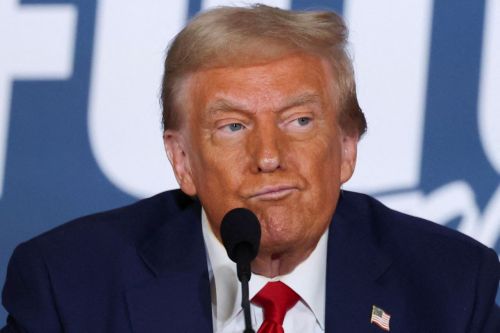
According to a report by the Wall Street Journal (WSJ) on August 4 (local time), U.S. President Donald Trump is preparing an executive order aimed at sanctioning financial institutions that exclude conservative figures, religious organizations, or virtual asset companies from their list of clients. The signing of the order could take place as early as this week.
According to a draft of the executive order obtained by WSJ, the order would direct financial regulators to investigate whether financial institutions have violated the Equal Credit Opportunity Act, antitrust laws, or consumer financial protection laws.
The Equal Credit Opportunity Act stipulates that financial institutions must not discriminate in providing financial services based on religion, national origin, gender, or similar grounds. In addition, the consumer financial protection laws allow authorities to sanction financial companies if they unjustly restrict consumer access to credit or impose unfair conditions.
If authorities confirm violations by financial institutions, they may impose fines, consent orders, or other disciplinary measures. The Small Business Administration (SBA) plans to review the business practices of banks that provide government-guaranteed loans. Furthermore, the draft specifies that certain cases involving banks found in violation will be referred to the U.S. Department of Justice. WSJ also reported that a related task force has already been launched in Virginia and is conducting investigations.
WSJ pointed out that this draft order demands "political neutrality" from banks. For years, conservative and religious groups have claimed that they have been denied banking services for political or religious reasons.
Virtual asset companies have also raised concerns that they faced unfavorable banking practices under the previous Biden administration. However, banks have countered these claims, arguing that they determine whether to accept customers based on regulatory risks such as anti-money laundering (AML) laws.
© The Asia Business Daily(www.asiae.co.kr). All rights reserved.












