Academic Conference on the Theme of "Garbage Archaeology"
Examining Landfill Case Studies and Material Culture from Around the World
Exploring the Environmental Archaeological Perspective on Climate Change
An international academic conference that examines case studies of landfills around the world and explores the meaning and history of material culture will be held in Seoul.
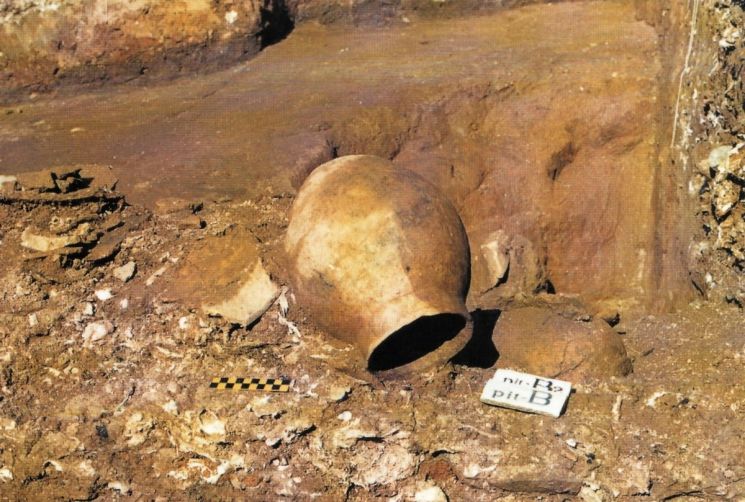
The National Research Institute of Cultural Heritage announced on the 4th that it will hold an academic conference on the theme of "World Archaeology: Garbage Archaeology" at 10:30 a.m. on the 6th at the President Hotel in Jung-gu, Seoul.
This event is organized in collaboration with the International Centre for the Study of the Preservation and Restoration of Cultural Property (ICCROM), which is an advisory body to the UNESCO World Heritage Convention and a major international organization in the field of cultural heritage. The conference will address the globally significant issue of climate change from an environmental archaeological perspective.
Lim Jongdeok, Director of the National Research Institute of Cultural Heritage, explained, "This is an opportunity to reflect together on what meaning the traces we leave today may have as the heritage of the future."
The conference will cover case studies from several countries, including Korea, Italy, the United States, and Mexico.
Thomas Meraz Castano, a cultural heritage expert affiliated with ICCROM, will discuss the relationship between waste and cultural identity through various examples, highlighting the issues of disposal and preservation.
Lim Sangtaek, a professor at Pusan National University, will present research findings under the theme "Shell Middens: Forgotten Waste, Heritage of Memory," inferring dietary habits and the environment of the Neolithic period through shell mounds.
Shin Heekwon, a professor at the University of Seoul, will explain his research on modern buildings constructed in central Seoul during the Japanese colonial period, examining the lifestyles and cultural aspects of that era.
After the presentations, Lee Sungjoo, president of the Korean Archaeological Society, will moderate a discussion on how to investigate and preserve "garbage archaeology" and what the role of archaeology should be in the 21st century. The event is open to everyone and will be broadcast live on the institute's YouTube channel.
© The Asia Business Daily(www.asiae.co.kr). All rights reserved.












