Private Vehicle Rotation System and Traffic Generation Charge Reform
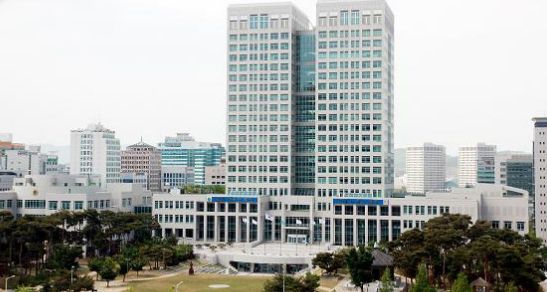
As the construction of Daejeon Metro Line 2 tram accelerates in the second half of the year, the Daejeon city government has introduced measures such as a private vehicle rotation system to alleviate traffic congestion.
The ordinances for the operation of the private vehicle rotation system and the reduction of the traffic generation charge have been revised and take effect from August 1. The main objective is to encourage voluntary participation from citizens and businesses and to provide effective incentives.
The private vehicle rotation system will now focus vehicle restrictions on commuting hours. Previously, restrictions were in place from 7:00 a.m. to 8:00 p.m., but under the revised ordinance, they will be limited to 7:00 a.m. to 9:00 a.m. and 6:00 p.m. to 8:00 p.m. Daejeon city plans to use these measures to curb vehicle use during peak commuting times when urban traffic congestion is most severe, and to effectively disperse traffic volume.
Vehicles participating in the private vehicle rotation system will receive practical incentives such as a 10% reduction in automobile tax, a 50% discount on public parking fees, and a 10% discount on vehicle inspection fees. Details and participation methods can be found on the 'Daejeon Private Vehicle Rotation System Website.'
The ordinance on the reduction of the traffic generation charge has also been revised and takes effect from August 1. The traffic generation charge is imposed on owners of buildings with a total floor area of 1,000 square meters or more, requiring those who contribute to traffic congestion to bear certain costs.
The amendment expands both the categories and the extent of reductions in order to encourage voluntary private sector efforts to reduce traffic congestion. Companies that implement flexible working hours, staggered commuting, remote or telecommuting, or voluntary or mandatory business closures can receive a reduction in the traffic generation charge ranging from 5% up to a maximum of 15%.
Additionally, a new provision has been added so that among vehicles faithfully participating in the private vehicle rotation system, small cars, eco-friendly vehicles, vehicles carrying pregnant women, people with disabilities, national merit recipients, or infants will be recognized as exempt from the rotation system. This measure is intended to guarantee practical mobility rights and ensure fairness in transportation policy.
Furthermore, the reduction rate for companies with clear efforts to reduce traffic volume will be increased. For companies implementing a five-day vehicle rotation system, the reduction rate will be raised from 25% to 30%, and for those implementing a two-day rotation system, from 40% to 50%.
Daejeon Mayor Lee Jangwoo stated, "This institutional improvement marks a transition toward a sustainable transportation system created by citizens, businesses, and the administration together, and is the starting point for a major transformation in our transportation culture. I hope many citizens and companies will voluntarily participate."
He added, "Although temporary traffic congestion will be unavoidable as tram construction intensifies in the second half of the year, if all citizens prioritize public transportation and foster a culture of mutual consideration, we can create a better transportation environment."
© The Asia Business Daily(www.asiae.co.kr). All rights reserved.












