Popular Items Such as Ramen, Gim, Bread, and Kimchi Drive Export Growth
Jeonbuk Province has achieved remarkable results in agricultural and fisheries food exports during the first half of this year, leading the global spread of K-Food.
According to the Korea International Trade Association (KITA) on July 31, Jeonbuk's agricultural and fisheries food exports from January to June reached $311 million (approximately KRW 430.5 billion), marking a 9.6% increase compared to the same period last year.
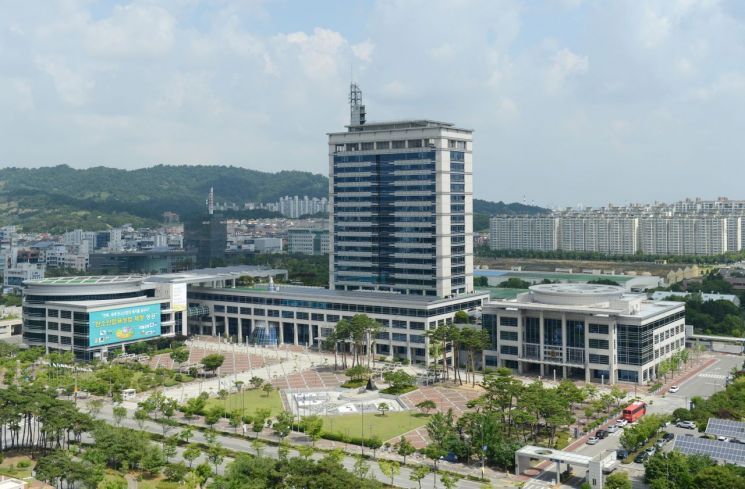
This figure surpasses the national average growth rate of 8.1%, demonstrating that the international competitiveness of Jeonbuk's agricultural and fisheries food products is being further strengthened. Notably, exports have shown steady annual growth, rising from $497 million in 2022 to $505 million in 2023, and to $596 million in 2024. The growth trend continues in the first half of this year as well.
The main drivers of export growth have been products such as ramen, gim (dried seaweed), bread, and kimchi. These items have succeeded in differentiating themselves through high-quality processing technology and sophisticated packaging, serving as key growth engines in overseas markets, especially in Asia, including China, Japan, and Thailand.
This export boom is seen as the result of joint efforts between businesses and the local government in marketing and field-oriented export support policies. The province has actively supported local companies in participating in overseas exhibitions and worked to develop new sales channels.
Through local promotional events and the operation of Jeonbuk promotional booths, the province has increased understanding of Korean food culture and promoted its excellence. The "Agricultural and Fisheries Food 114" program, in which one export company is visited each week to hear about difficulties and seek solutions, ensures that feedback from the field is reflected in policy.
The "America First" trade policy of the Trump administration's second term, which began in January this year, has emerged as a new variable in Jeonbuk's export environment. The US government has decided to impose a 15% reciprocal tariff on Korea, which is scheduled to take effect next month.
In response, the province is actively pursuing an export market diversification strategy to reduce dependence on specific countries and develop new emerging markets. It plans to strengthen tailored support for each company and proactively seek new export opportunities.
Min Sunshik, Director of the Agricultural Life and Livestock Industry Bureau, stated, "We will do our utmost to widely promote the excellence of Jeonbuk's agricultural and fisheries food products to the world," and added, "We will continue to build a stable export foundation where farmers and businesses can grow together through quality advancement and market diversification that meet the expectations of global consumers."
© The Asia Business Daily(www.asiae.co.kr). All rights reserved.












