Industrial Activity Trends for June 2025
Slight rebound in production and consumption,
but recovery remains unstable as facility investment continues to fall
According to the “Industrial Activity Trends for June 2025” released by Statistics Korea on the 30th, total industrial production last month rose by 1.2% compared to the previous month.
Total industrial production had declined by 0.8% in May, but returned to growth in June. However, the increase was not significant, making it difficult to view the trend as a clear rebound.
Production increased in mining and manufacturing (1.6%), services (0.5%), construction, and public administration. In mining and manufacturing, production of some items such as electronic components (-18.9%) decreased, but overall output expanded due to increases in semiconductor (6.6%) and automobile (4.2%) production. The growth in semiconductors was driven by DRAM and system semiconductors, while the increase in automobiles was due to higher production of small passenger cars and parts.
Service sector production also rose by 0.5% from the previous month, led by increases in finance and insurance (3.4%) and professional, scientific, and technical services (1.6%). Growth was particularly notable in other financial services and research and development, as well as tax services. In contrast, health and social welfare services declined by 1.7%.
Retail sales increased by 0.5% from the previous month as sales of clothing and cosmetics rose. Sales of durable goods such as passenger cars fell by 1.6%, but sales of semi-durable goods (4.1%) and non-durable goods such as cosmetics (0.3%) increased, resulting in a slight overall rise in consumption. Compared to the same month last year, despite a 4.6% increase in durable goods sales, decreases in semi-durable goods (-4.1%) and non-durable goods (-0.4%) limited overall growth to just 0.1%.
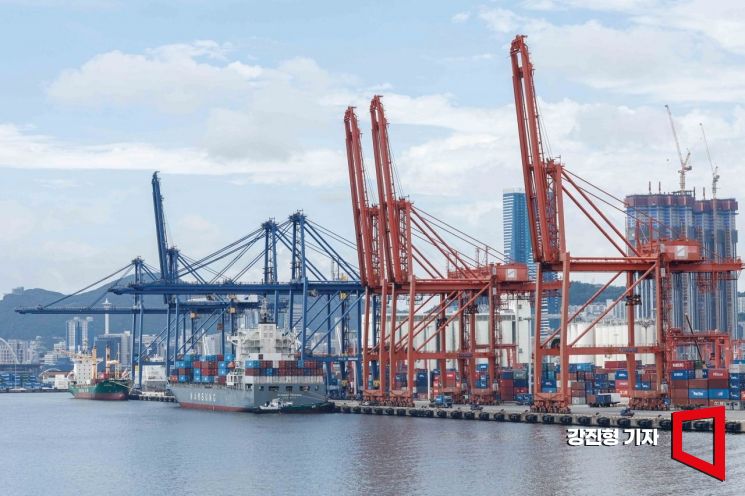
In contrast, facility investment fell by 3.7% from the previous month, marking a decline for the fourth consecutive month. Investment in transportation equipment dropped sharply by 14.8% due to reduced aircraft imports. Although machinery investment increased by 1.7%, it was not enough to reverse the overall trend.
Completed construction work increased by 6.7% from the previous month, driven by a significant 10.3% rise in building construction. Although civil engineering (-2.8%) decreased, the expansion of residential and non-residential building projects led overall performance. However, compared to the same month last year, both building (-10.3%) and civil engineering (-17.0%) declined, resulting in a total decrease of 12.3%.
Construction orders increased by 3.0% in building construction, such as factories and warehouses, but plunged by 43.5% in civil engineering, including railways and tracks, leading to an overall 13.6% decrease compared to the same month last year.
Despite increases in import value and completed construction work, the coincident composite index?which reflects the current economic situation?fell by 0.1 points from the previous month due to declines in the domestic shipment index and the mining and manufacturing production index.
On the other hand, the leading composite index, which predicts future economic trends, rose by 0.2 points from the previous month, influenced by increases in the KOSPI and the economic sentiment index.
© The Asia Business Daily(www.asiae.co.kr). All rights reserved.












