Besant Considers Expanding Long-Term Bond Issuance After Rates Fall
Focusing on Short-Term Bonds
A Departure from Traditional Practice
The Wall Street Journal (WSJ) reported on the 28th (local time) that the Donald Trump administration is signaling a break from the longstanding practice of regular Treasury issuance, instead indicating it will wait for interest rates to fall before issuing long-term bonds.
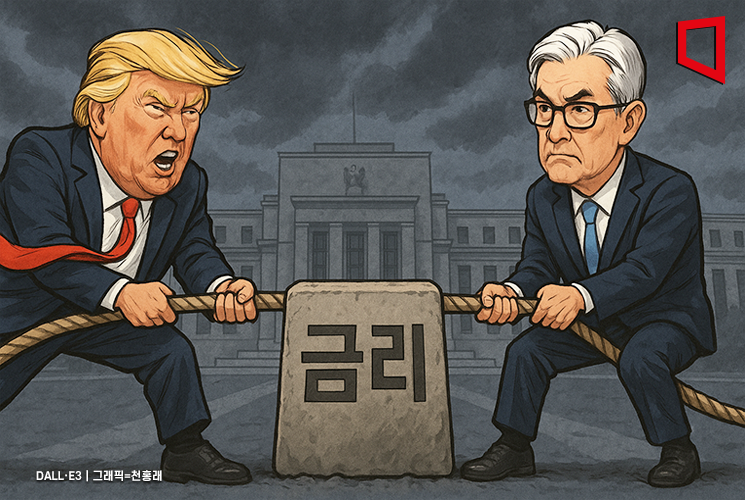
U.S. Treasury Secretary Scott Besant has publicly stated that he would consider expanding the issuance of long-term bonds after interest rates decline. This is due to concerns about interest rate burdens. Long-term Treasuries require the government to pay interest over an extended period, so the interest rate at the time of issuance is locked in as the government’s long-term borrowing cost. In other words, if the government issues long-term Treasuries when rates are relatively high, as they are now, it will be saddled with high interest costs for 10 to 30 years. Conversely, if bonds are issued after rates fall, the government can lower its long-term interest burden.
President Trump, who has consistently pressured for interest rate cuts, shares Secretary Besant’s view. In June, President Trump stated, “For the time being, we will only issue very short-term Treasuries,” and added, “Once Jerome Powell, the Federal Reserve (Fed) Chair, steps down, we will significantly lower rates and then shift to issuing long-term bonds.” This reveals his intention to begin large-scale long-term Treasury issuance after replacing Chair Powell.
This approach differs from the traditional practice of issuing Treasuries in a consistent pattern, regardless of market conditions. In the past, the U.S. Treasury has issued bonds in a regular and predictable manner. The rationale was that if the government tried to time the market, it could increase speculative demand and uncertainty, which in the long term could actually push up Treasury yields.
However, President Trump and Treasury Secretary Scott Besant are now employing a market timing strategy, adjusting issuance based on interest rate trends.
The Trump administration is expected to announce its official borrowing plans through the quarterly refunding statement to be released on the 30th. Most market participants expect the Treasury to maintain its current pace of issuing 20- to 30-year long-term bonds for the time being. However, as government funding needs continue to rise, there are projections that the share of short-term Treasury issuance will gradually increase.
Deputy Treasury Secretary Michael Faulkender stated in a written statement, “The Treasury will continue to issue bonds in a regular and predictable manner, taking into account the opinions of market participants.”
Currently, investors are generally welcoming the signals from the Trump administration. This is because an increase in long-term Treasury issuance could add further pressure to an already strained bond market.
Short-term and long-term bonds each have distinct advantages and disadvantages. Short-term bonds have lower interest rates, reducing the government's interest burden, but are more sensitive to rate fluctuations. In contrast, long-term bonds are relatively stable and predictable, but come with higher interest rates. Recent increases in long-term yields have been attributed to factors such as inflation, tariff burdens, concerns over Fed independence, and deteriorating long-term fiscal outlooks.
However, some experts warn that excessive reliance on short-term bonds could increase fiscal risks. There are also concerns that the government’s message of “market timing” itself could trigger a Treasury sell-off. WSJ noted, “Some observers worry that discussions about market timing could backfire for the same reasons previous administrations were concerned,” adding, “The risks associated with government borrowing decisions may increase, and if investor expectations are not met, there is a risk of mass sell-offs.”
© The Asia Business Daily(www.asiae.co.kr). All rights reserved.












