Chikungunya Fever Cases Surge to 4,824 in Guangdong Province
Nearly 3,000 New Cases Reported in a Single Week; All Cases Mild, No Fatalities
Authorities Mobilize Mosquito Control Measures and Urge Public Precautions
In Guangdong Province, southern China, the number of confirmed cases of chikungunya fever has surged, prompting disease control authorities to take action.
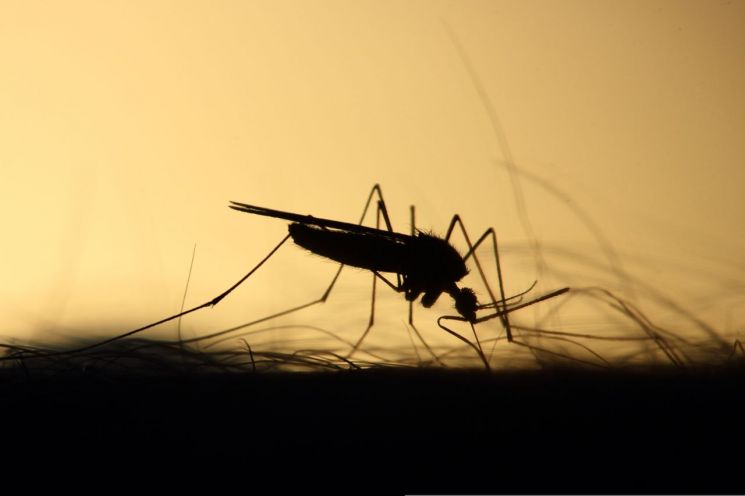
According to reports from Hong Kong’s Sing Tao Daily and others on July 29, the Guangdong Provincial Center for Disease Control and Prevention announced that, as of July 27, the cumulative number of confirmed chikungunya fever cases had reached 4,824.
Notably, between July 20 and July 26 alone, 2,940 new cases were reported. However, all confirmed cases were mild, and no deaths have been reported.
The region with the highest number of cases was Foshan, with 2,882 new cases. This was followed by Guangzhou with 22 cases; Zhongshan with 18 cases; Dongguan, Zhuhai, and Heyuan with 3 cases each; Jiangmen, Yangjiang, and Zhaoqing with 2 cases each; and Qingyuan, Shenzhen, and Zhanjiang with 1 case each.
Authorities believe that most confirmed cases occurred in areas with a high density of mosquito breeding sites. According to disease control officials, there are a total of 21 high-density mosquito habitats exceeding the standard threshold. Of these, adult mosquitoes were found in 16 locations, and large numbers of larvae were found in 5 locations.
Chikungunya fever is a mosquito-borne viral disease that primarily occurs in parts of Africa and Asia, but it has recently been spreading in some cities in China. The main symptoms are high fever, joint pain, and rash. There is currently no evidence of human-to-human transmission. Most confirmed cases are mild, but newborns, people aged 65 or older, and those with underlying conditions such as hypertension or heart disease should be cautious. The name 'chikungunya' comes from the language of the Makonde people in Tanzania and means 'to bend,' referring to the stooped posture caused by joint pain.
Authorities have advised citizens to install window screens and wear long-sleeved clothing to reduce the number of mosquitoes that can cause infection. They also recommended checking for and eliminating standing water, such as in hydroponic plants, to remove potential risk factors.
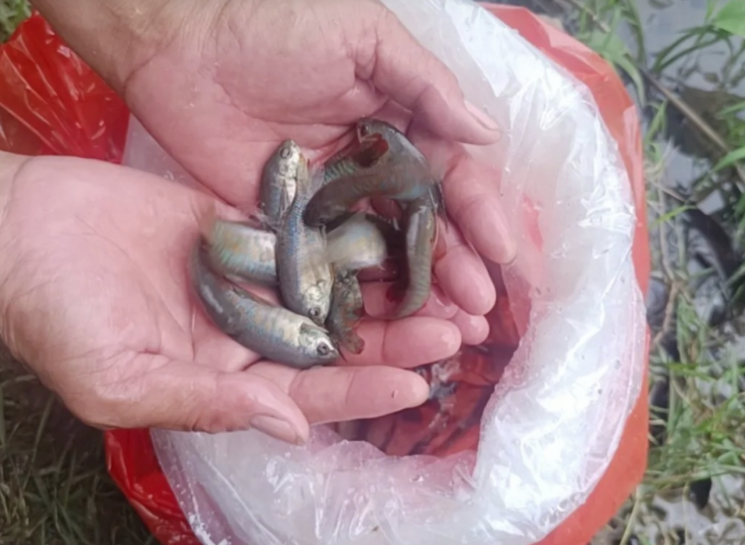
Since July 27, Foshan has mobilized a large number of landscaping personnel to release fish into bodies of water to control mosquitoes. According to the city, a total of 4,200 juvenile fish have been released into small lakes, and an additional 1,000 fish have been added to Zhongshan Park. The fish help naturally suppress mosquito breeding in the water by feeding on mosquito larvae.
© The Asia Business Daily(www.asiae.co.kr). All rights reserved.













