Central Party's 'One-Year Suspension' Is Effectively an Exoneration
Public Reaction Is Cold: "Resignation Is the Minimum Decency"
Declining Trust in Local Council Members Fuels Debate Over Dignity and Qualifications
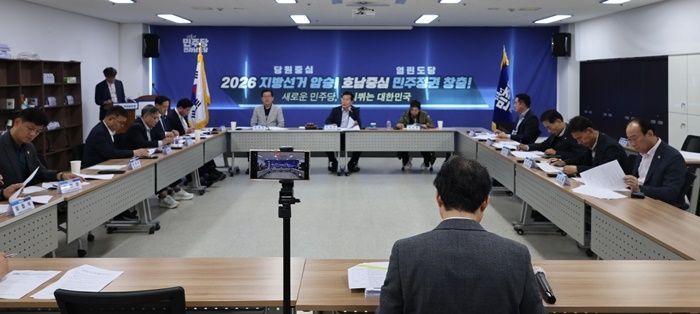
Amidst the recent severe flooding that has caused suffering across the nation, two members of the Yeosu City Council have drawn public outrage after engaging in a shouting match and even a physical altercation during a drinking session. On July 23, the two council members raised their voices over past committee appointments and other issues at a restaurant in Yeosu, and their emotional confrontation ultimately escalated into a physical fight.
This incident occurred just one day after President Lee Jaemyung warned, "Public officials must refrain from careless words and actions and focus on the crisis at hand." Moreover, the fact that this occurred while the entire country was struggling with record-breaking heavy rains is enough to draw criticism that the basic dignity of public officials has been gravely undermined.
The two council members lost face as news of their brawl became public and belatedly issued apologies. Familiar phrases such as "I deeply reflect on my actions" and "I will humbly accept any criticism" were repeated.
The Democratic Party leadership responded swiftly. Just one day after the Jeonnam Provincial Party requested emergency disciplinary action from the central party, the Democratic Party decided to suspend the party membership of both council members for one year.
The real issue begins here. A one-year suspension, despite being called a "heavy disciplinary measure," is far from genuine political accountability. While it means they will not be able to receive the Democratic Party’s nomination in the next local elections, for those familiar with the party’s internal nomination system, this is simply a signal that "they can return once some time has passed." In a party political structure where reinstatement is easier than punishment, one year is merely a short "political grace period."
The public’s reaction has been cold. There is criticism that this goes far beyond a mere personal lapse by individual council members. One citizen commented, "How can we re-elect people who not only drank during a disaster but even got into a fight? Resignation is the minimum they should do." On local online communities, sharp responses such as "an excuse of an apology" and "they are unfit to be politicians" are continuing to appear.
This incident is not simply about two city council members drinking and fighting. The more fundamental issue is that the qualifications of those occupying the position of local council member are seriously lacking compared to the weight of the office itself.
In reality, in some regions, party nominations are often determined by personal connections, networks, and organizational mobilization, while expertise and ethics are frequently relegated to secondary importance. In areas where party nomination virtually guarantees election, unless the party takes responsibility for thoroughly vetting candidates, voters’ choices are inevitably limited.
Cynicism and apathy toward local councils are eroding the foundations of democracy even at this very moment. Politics is a critical process that shapes citizens’ lives, yet local politics, despite its importance, is excessively neglected. As a result, individual council members’ misconduct is repeated, and such misconduct is concluded with ineffective disciplinary action and formal apologies. Before long, similar incidents erupt again.
Restoring trust in local politics is impossible without strong accountability and structural reform. If the position of city council member determines the dignity of the local community, then this incident is not simply a problem of individual council members, but an event that has undermined the dignity of local politics as a whole.
© The Asia Business Daily(www.asiae.co.kr). All rights reserved.












