Critically Ill After Eating Refrigerated Watermelon Due to Listeria Infection
Bacteria Increase 3,000 Times When Covered with Plastic Wrap
Airtight Containers Are Much Safer Than Plastic Wrap for Storage
In China, a woman was admitted to the intensive care unit with symptoms of food poisoning after eating refrigerated watermelon, raising concerns about proper watermelon storage during the summer.
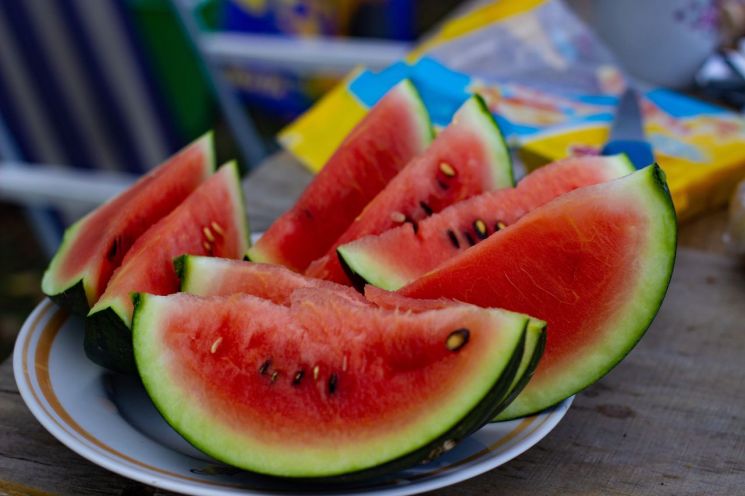
According to local media reports in China, a 38-year-old woman identified as A, residing in Xi'an, Shaanxi Province, ate leftover watermelon from her refrigerator on July 21. Afterward, she experienced high fever, headache, and vomiting, and sought medical attention. Medical examination revealed that her symptoms were caused by an infection with the foodborne bacterium Listeria monocytogenes. She is reportedly receiving treatment in the intensive care unit.
Listeria monocytogenes can survive even at refrigerated temperatures of 0?4°C. It can infect humans through contaminated meat or dairy products, vegetables or fruits that have not been properly washed, or contaminated cooking utensils. Initial symptoms of infection include fever, muscle aches, vomiting, and diarrhea. In people with weakened immune systems, the infection can progress to meningitis or sepsis. The risk of severe illness is especially high for pregnant women, the elderly, and those with underlying health conditions.
Liu Minlong, an intensive care specialist at Xi'an Daxing Clinic who treated A, warned, "The refrigerator is not an absolutely safe space," and emphasized, "If food ingredients are not properly stored, bacteria can multiply even in refrigerated environments."
Watermelon, a representative summer fruit, is particularly vulnerable to bacterial growth due to its high water content. Experts stress that it is essential to use hygienic and proper methods when storing watermelon.
It is common to wrap cut watermelon in plastic wrap and store it in the refrigerator, but some point out that this method can actually promote bacterial growth. According to an experiment by the Korea Consumer Agency, when watermelon was wrapped in plastic wrap and stored at 4°C in a clean environment, the number of bacteria on the cut surface increased by more than 3,000 times. This is believed to be due to bacteria remaining on the watermelon rind rapidly multiplying in the moist, condensed environment inside the wrap.
In contrast, when watermelon was cut into bite-sized pieces and stored in an airtight container, bacterial growth was only 3.5 times the initial level, which is just 1/100th of the increase seen with plastic wrap. Therefore, the safest way to store cut watermelon is to thoroughly wash the rind, cut the flesh, and place it in an airtight container. If you have already stored halved watermelon wrapped in plastic, it is recommended to cut away at least 1 cm from the exposed surface before eating.
It is also important to refrigerate watermelon immediately after cutting, rather than leaving it at room temperature for a long time. According to the German Federal Institute for Risk Assessment, research has shown that Listeria and Salmonella bacteria present on cut melon flesh doubled in just two hours at 20°C room temperature.
© The Asia Business Daily(www.asiae.co.kr). All rights reserved.












