Brazilian Research Team Finds
"Okra Effective in Preventing Obesity and Blood Sugar Disorders"
A recent study has found that the vegetable okra is effective in preventing obesity and abnormal blood sugar levels caused by overnutrition during infancy.

In a paper recently published in the international journal ScienceDirect, a research team from the Federal University of Mato Grosso in Brazil reported, "When okra was added as a dietary supplement for rats that developed metabolic disorders due to early-life overnutrition, improvements were observed in energy metabolism and blood sugar imbalances."
The research team adjusted the number of pups nursing from each mother to three (small group) and eight (normal group) in order to control the amount of breast milk consumed by three-day-old rats. The small group was further divided into two: one group was fed a standard diet (SD), and the other was fed a diet supplemented with 1.5% okra (AE). The researchers tracked metabolic changes in these groups until the rats were 60 days old.
The experiment found that the breast milk from mothers in the small group had higher triglyceride and energy content, and the pups in this group consumed more milk compared to those in the normal group. However, the group fed the diet containing okra showed a marked reduction in obesity and metabolic disorders compared to the group fed the standard diet. In particular, levels of inflammatory cytokines in the hypothalamus were significantly reduced. High levels of inflammatory cytokines can lead to chronic inflammation, which in turn causes obesity and diabetes.
The researchers explained that these results are attributable to the anti-inflammatory and antioxidant effects of okra. They especially analyzed that the improvement of inflammation in the hypothalamus and the restoration of insulin sensitivity are likely to be the main mechanisms. The bioactive compounds abundant in okra?such as polyphenols, catechins, and quercetin?contribute to the prevention of metabolic syndrome.
The research team stated, "This study suggests that overnutrition in early life can be a major cause of future metabolic diseases, and that non-pharmacological interventions using functional foods like okra could serve as preventive measures."
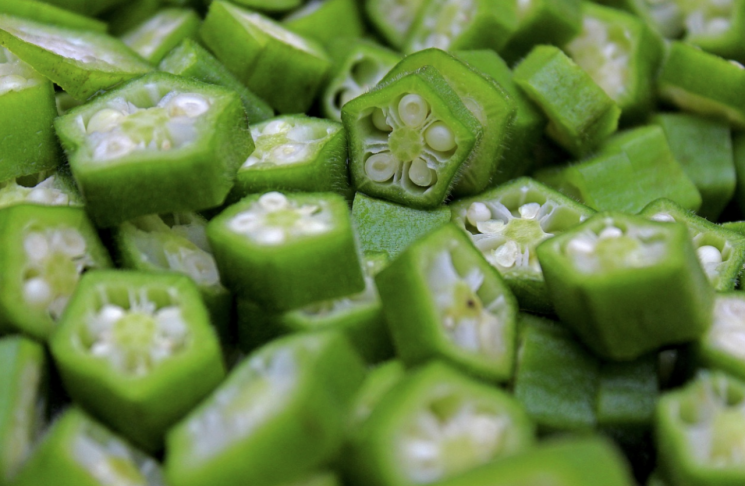
Okra is a green, long, pod-shaped vegetable mainly cultivated in tropical and subtropical regions. It is characterized by its unique viscous texture and nutty flavor. Okra is an essential ingredient in Japanese cuisine, where it is often blanched and eaten as a salad, or used in cold soups, salads, rice bowls, and tempura dishes.
© The Asia Business Daily(www.asiae.co.kr). All rights reserved.












