The 27 member states of the European Union (EU) finally reached a unanimous agreement on July 18 (local time) on a new package of sanctions against Russia.
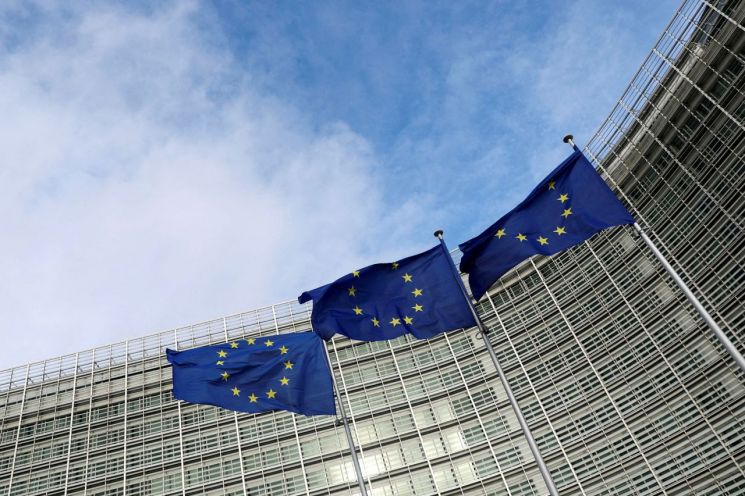
Denmark, which holds the rotating presidency of the EU for the second half of the year, announced that the 18th sanctions package against Russia was adopted at a meeting of the ambassadors of all 27 EU member states held in Brussels, Belgium, on this day.
The sanctions package includes a change to the current fixed price cap of $60 per barrel for Russian crude oil transactions. The new mechanism will automatically lower the cap by 15% from the average price of the previous three months at regular intervals, making it a variable system.
As a result, the cap will fall to $47.6, which is 15% lower than the average price of the previous three months. The decision on whether to automatically lower the cap will be made every six months going forward.
The price cap on Russian oil is a measure jointly enforced by the Group of Seven (G7) nations. The EU originally sought to lower the cap from $60 to $45 at the G7 level, but the plan fell through because the United States did not agree.
Therefore, the EU decided to lower the cap independently for now. However, according to AFP, other G7 countries such as the United Kingdom and Canada, excluding the United States, may join the EU's approach.
The sanctions package also includes a ban on both direct and indirect use of the Nord Stream 1·2 undersea gas pipelines connecting Russia and Europe, as well as additional sanctions on 22 Russian banks.
Kaja Kallas, the EU High Representative for Foreign Affairs and Security Policy, stated on social media that this is "the strongest sanctions package adopted so far" and emphasized, "We will further increase the price Russia has to pay, making ending the aggression (war) Russia's only option."
© The Asia Business Daily(www.asiae.co.kr). All rights reserved.












