Concentrated Outbreaks at Restaurants and Catering Facilities
Ministry of Food and Drug Safety: "Thoroughly Cook at 75°C or Higher"
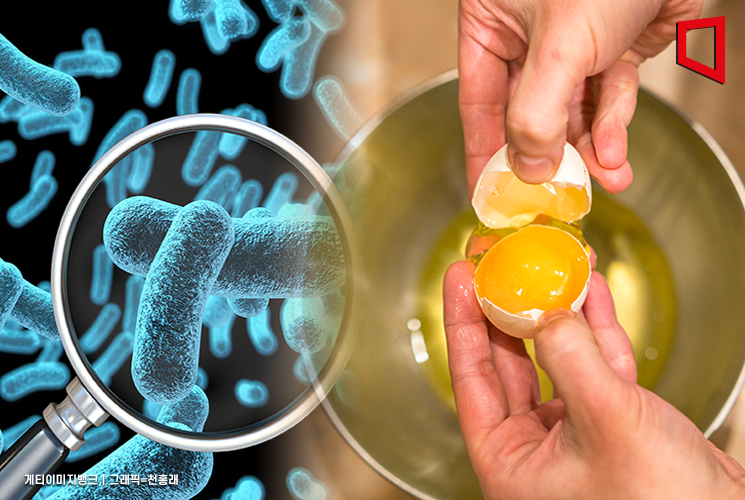
During the summer season, when temperatures and humidity rise sharply, the risk of food poisoning increases, and heightened awareness of Salmonella infection is especially required. More than half of all food poisoning cases in the past five years have occurred during the summer months.
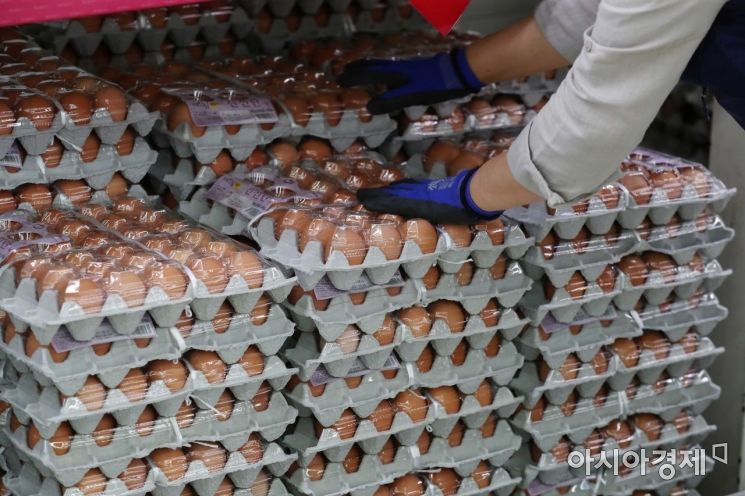 During the summer season, when the risk of food poisoning increases, heightened awareness of Salmonella infection is especially required. Photo by Mun Honam
According to the Ministry of Food and Drug Safety on July 12, from 2020 to 2024, there were a total of 204 cases of food poisoning caused by Salmonella, resulting in 7,788 patients. Of these, 100 cases, or 52% of the total, and 4,542 patients were reported during the summer months from July to September.
Restaurants accounted for the largest share of outbreak locations at 63% (129 cases), followed by group catering facilities (17%) and ready-to-eat food manufacturing and processing businesses (5%). Foods that caused infections were mostly composite cooked foods such as rolled omelets or egg sheets made with eggs, as well as gimbap and lunch boxes.
Salmonella is a pathogenic bacterium mainly found in the intestines of poultry and mammals, as well as in contaminated water and soil. Infection with this bacterium causes symptoms such as high fever, vomiting, abdominal pain, and diarrhea, and can be especially dangerous for infants, young children, and the elderly with weakened immune systems.
The Ministry of Food and Drug Safety especially advised caution in the selection and storage of ingredients such as eggs. Consumers should purchase fresh eggs with undamaged shells and always check the indicated laying date and expiration date. Eggs should be refrigerated immediately after purchase and stored separately to avoid contact with other foods.
For restaurants or catering facilities that prepare food in large quantities, it is recommended to avoid leaving ingredients at room temperature, purchase only the necessary amount, and consume them within 2 to 4 weeks at the appropriate temperature.
In addition, during cooking, hands must be washed with soap for at least 30 seconds after handling eggs, meat, or poultry, and care should be taken not to touch cooking utensils or other ingredients with potentially contaminated hands.
Salmonella is susceptible to heat, so thorough cooking can effectively prevent infection. Meat and eggs should be cooked at a core temperature of at least 75°C for more than one minute to ensure safety, and in the case of eggs, both the yolk and white should be cooked until fully set.
Cooked food should be consumed within two hours, or if not eaten immediately, refrigerated and reheated before consumption.
The Ministry of Food and Drug Safety emphasized, "During the summer, not only Salmonella but also various food poisoning bacteria can multiply rapidly, so proper food management and strict adherence to hygiene guidelines are more important than ever."
© The Asia Business Daily(www.asiae.co.kr). All rights reserved.













