Romance Scams Still Widespread, Financial Supervisory Service Warns
"Extra Caution Needed as Victims Suffer Major Losses"
# In April, a man in his 50s, identified as Mr. A, was approached by a Japanese woman, Ms. B, on a dating app. Attracted by Ms. B's profile photo, Mr. A engaged in daily conversations with her for 46 days. Believing that he had entered into a romantic relationship and made a promise of marriage with Ms. B, Mr. A agreed when Ms. B claimed she needed to prepare marriage funds and asked him to register and invest in a fake virtual asset exchange where she claimed to have invested. Although Mr. A was hesitant due to his lack of knowledge about cryptocurrencies, he feared Ms. B would leave him, so he followed her instructions and made an initial investment of 200,000 won. After seeing (fake) profits and successful withdrawals, he grew to trust Ms. B even more. Ms. B gradually demanded larger investments, and Mr. A ended up investing a total of 105.2 million won. However, Ms. B continued to demand additional funds, claiming that a 5% tax was charged daily. When Mr. A ran out of money and could not pay more, Ms. B announced their breakup and disappeared.
The Financial Supervisory Service announced on July 2 that as the prices of major virtual assets such as Bitcoin have risen and investment fever has grown, virtual asset investment scams have become increasingly frequent.
In particular, the agency explained that so-called "romance scams" remain prevalent, in which scammers approach victims as foreign friends on social networking services (SNS) such as dating apps and Telegram, build a relationship through prolonged displays of affection, and, once confident that they have won over the victim’s heart, reveal their true intentions.
The scammers typically induce victims to register with fake virtual asset exchanges and experience profits through small cryptocurrency investments. They then encourage larger investments, and once significant sums are deposited, they block withdrawals and steal the funds.
The Financial Supervisory Service emphasized that scammers often encourage victims to actually withdraw the profits they have made, leading victims to place even greater trust in the fake exchanges and the scammers themselves.
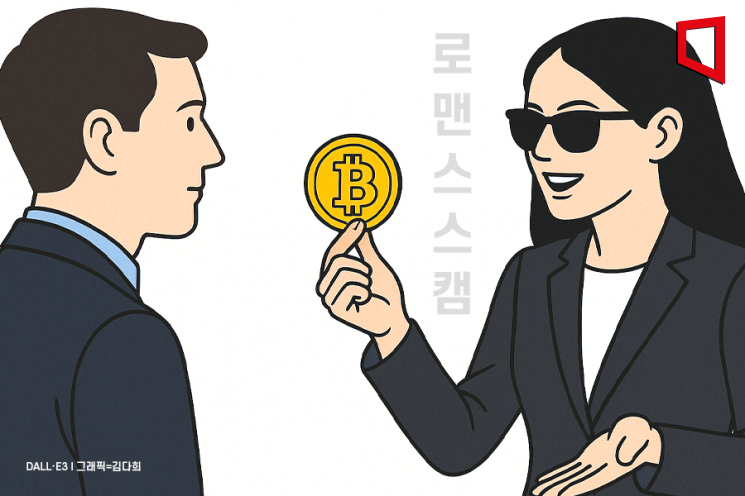
An official from the Financial Supervisory Service urged, "In the case of romance scams, because the relationship develops into a romantic one, victims find it difficult to refuse the scammer's proposals. Also, the amounts lost in such scams are relatively large compared to other types of fraud, so consumers need to exercise special caution."
© The Asia Business Daily(www.asiae.co.kr). All rights reserved.













