Korea Economic Association's Second Half Investment Survey
Expectations for Policy Changes Under the New Government
Calls for Expanded Tax Benefits and Subsidies
Despite heightened uncertainty in international affairs and economic conditions, a recent survey found that 8 out of 10 major conglomerates plan to maintain investment levels in the second half of this year comparable to those in the first half.

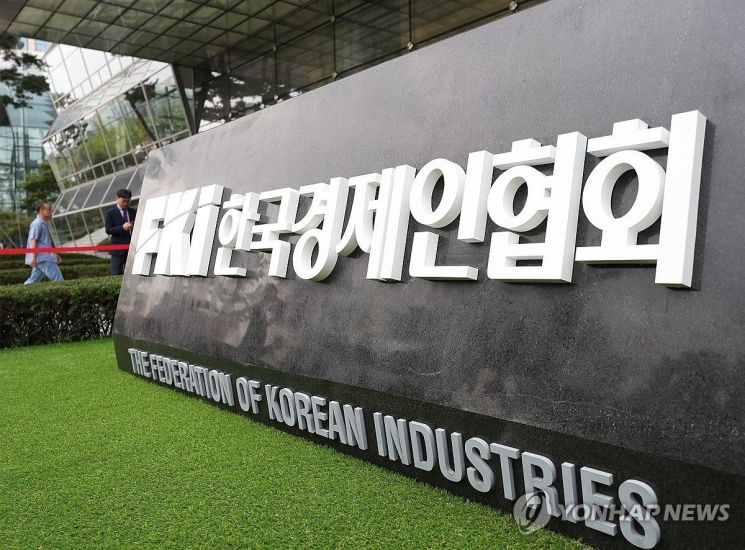
The Korea Economic Association announced on July 2 that it commissioned Mono Research, a public opinion research agency, to conduct a survey titled "Investment Plans for the Second Half of 2025" among Korea's top 500 companies by revenue, with 120 companies responding.
According to the survey results, 78.4% of respondent companies plan to invest at a similar scale in the second half of the year as they did in the first half. Meanwhile, 13.3% said they would reduce their investment compared to the first half, while 8.3% said they would increase it.
Among the companies planning to increase investment in the second half, the most frequently cited reasons were expectations for policy changes following the launch of the new government (20.0%) and the need to replace or upgrade aging facilities (20.0%). These were followed by expectations of entering an upcycle or improvements in business conditions (16.7%).
On the other hand, companies planning to reduce investment pointed to several reasons: increased uncertainty stemming from the potential second-term policies of Donald Trump in the United States (33.3%), continued stagnation in the domestic market (25.0%), and risks related to rising exchange rates and increases in foreign exchange and raw material costs (14.6%).
The Korea Economic Association interpreted these results as indicating that, although companies have recently been cautious about new investments due to greater export uncertainty and prolonged domestic sluggishness, many are maintaining investment levels similar to the first half because of expectations for economic stimulus measures from the new government and improvements in business conditions in the second half.
Companies identified the biggest risk factors that could affect investment activities in the second half as economic slowdowns in major countries such as the United States and China (26.4%). Other major risks included worsening instability in global supply chains (23.6%), rising energy and raw material prices (15.0%), and contraction in financial and capital markets (14.2%).
For domestic investment, companies cited the following as key obstacles: labor market regulations and rigidity (18.6%), the burden of taxes and various levies (18.1%), regulations related to site selection and permits (16.9%), and the burden of energy costs such as electricity (14.2%).
The Korea Economic Association explained that companies feel the greatest burden from taxes and regulations when deciding and executing domestic investments. In fact, companies identified the following policy tasks as most important for improving the domestic investment environment: expanding tax benefits and subsidies (27.5%), revitalizing the domestic economy (15.3%), and easing regulations related to entry into new industries and investment (11.9%).
Lee Sangho, head of the Economic and Industrial Division at the Korea Economic Association, stated, "To overcome the low growth facing our economy, it is necessary to discover new growth engines based on active and bold corporate investment." He emphasized, "We need to strengthen tax and financial support for future industries such as artificial intelligence (AI), bio, and culture, and boldly shift the regulatory system to a negative-list approach to enhance incentives for companies to invest in new industrial sectors."
© The Asia Business Daily(www.asiae.co.kr). All rights reserved.













