Kori 1 Decommissioning Begins:
Focus Shifts to Technology, Workforce,
and Building Local Trust
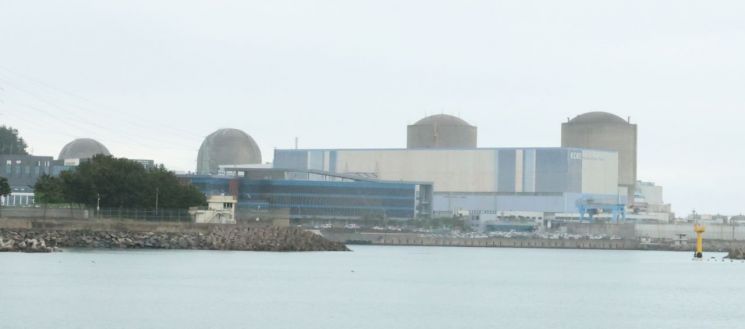
Kori Unit 1, South Korea's first commercial nuclear power plant, has received final approval for its decommissioning plan from the Nuclear Safety and Security Commission, officially beginning the decommissioning process. This comes 10 years after the decision for its permanent shutdown in 2015. The project is seen as a turning point, as it goes beyond simple equipment dismantling and marks the beginning of a comprehensive nuclear power plant lifecycle management system in Korea, covering construction, operation, and decommissioning. However, experts are focusing less on the start of the Kori 1 decommissioning itself and more on the challenges that will now intensify. This is because follow-up preparations?such as advancing technology based on empirical data, fostering a specialized workforce and corporate ecosystem, and securing site reuse and local acceptance?must be actively pursued.
According to the government and the nuclear power industry on the 27th, Korea Hydro & Nuclear Power (KHNP) will proceed in stages over 12 years, until 2037, through the following processes: ▲ dismantling of non-radioactive systems ▲ removal of spent nuclear fuel ▲ dismantling of radioactive systems and site restoration. As a result, Korea will begin in earnest to secure full-cycle nuclear power plant technologies, from construction and operation to decommissioning.
However, experts stress that attention should be focused on the "subsequent challenges" rather than the initiation of decommissioning itself. This is because the work does not end with dismantling outdated nuclear facilities; there are long-term tasks ahead, such as achieving self-reliance in decommissioning technology, building an industrial ecosystem, and establishing institutional foundations for entering the international market.
Since 2015, the government and KHNP have secured 96 decommissioning technologies. Of these, 38 core technologies were developed by the Korea Atomic Energy Research Institute, while 58 commercialized technologies were handled by KHNP. In addition, a total of 31 research and development (R&D) projects are underway, including ▲ laser cutting ▲ decontamination of high-radiation systems ▲ waste volume reduction and analysis technologies ▲ ICT-based decommissioning simulation, among others.
However, the main issue is demonstration. While Korea is leading in technology development, there is still a lack of operational data and commercialization experience accumulated from actual decommissioning sites. Kori 1 will serve as a testing ground for these technologies and as a benchmark for entering the global decommissioning market, which is estimated to be worth trillions of won.
Jung Dongwook, professor at Chung-Ang University’s Department of Energy Systems Engineering, cited the securing of dry storage facilities for spent nuclear fuel as the most urgent task. Professor Jung stated, "To proceed with decommissioning, spent nuclear fuel must first be removed, and dry storage facilities for this purpose are absolutely necessary. Currently, Korea has no experience building such facilities except for heavy water reactors, so there is a lack of institutional and technological preparation."
He added, "Since resident consent and regulatory approval procedures are required, securing dry storage facilities could take a long time. If this process is delayed, the entire decommissioning schedule could be pushed back," expressing his concern.
There are also many technical challenges. Although the government and KHNP have secured a total of 96 decommissioning technologies and are pursuing 31 R&D projects, this will be the first time they are applied on-site. In particular, in the field of "decontamination," which involves precisely cleaning equipment contaminated with high radiation, there is still a high likelihood of relying on foreign technologies.
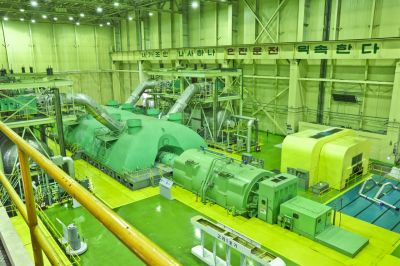
Professor Jung explained, "Although technologies have been developed domestically, the lack of application experience means that full-scale use may be difficult. It is necessary to consider a strategy where domestic technologies are applied experimentally, while some proven foreign technologies are used in parallel."
The decommissioning of Kori 1 also demands structural changes in Korea's nuclear power ecosystem, including the development of workforce, companies, and the broader decommissioning industry. KHNP has trained about 600 decommissioning specialists through internal and external education programs, but considering future demand for follow-up decommissioning projects such as Wolseong Unit 1, the roles of specialized personnel and small-to-medium-sized decommissioning companies will need to expand further.
In particular, many dismantling tasks for non-controlled area equipment (about 4,900 tons) can involve small and medium-sized enterprises, but tasks such as dismantling high-radiation systems and managing radioactive waste require advanced technology. Only companies with a certain level of technological capability and quality management systems can participate. This is why there is a call for the establishment of certification and technical guidance systems across the entire decommissioning industry.
Discussions on how to utilize the Kori 1 site after decommissioning is completed in 2037 are still in the early stages. The "final site status report," which will be submitted to the Nuclear Safety and Security Commission, is expected to include plans for reuse, but sufficient consultation with the local community must come first. The key is to balance radiation safety, environmental restoration, and future development plans.
Professor Jung emphasized, "There are various possibilities, such as fully restoring the site to its natural state or constructing a replacement nuclear plant, but ultimately, building consensus with local residents is most important. Rather than leaving the issue unattended because there are 12 years left, discussions on utilization plans should begin now."
© The Asia Business Daily(www.asiae.co.kr). All rights reserved.













