First-ever Noodle Dish Launched by 126-Year-Old Japanese Rice Bowl Chain Amid Soaring Rice Prices
Retail Rice Prices Remain Twice as High
Some Companies Expanding Ramen Business
As rice prices in Japan continue to surge for an extended period, the restaurant industry is quickly shifting its strategy to "noodles instead of rice." Despite government price stabilization measures such as the release of reserve rice, the perceived impact has been minimal. As a result, major dining chains specializing in rice bowl and curry dishes are increasingly turning their attention to noodle-based offerings.
 As rice prices continue to surge for an extended period, major dining chains specializing in rice bowl dishes and curry are increasingly turning their attention to noodle dishes. Getty Images
On June 26, the Sankei Shimbun reported that Yoshinoya, a chain famous for its beef bowls, will launch a summer limited menu item called "Gyutama Stamina Mazesoba." This noodle dish, which is mixed and eaten with beef and eggs, marks the first time since its founding in 1899 that Yoshinoya, which has consistently focused on rice bowl dishes, is introducing noodles to its menu.
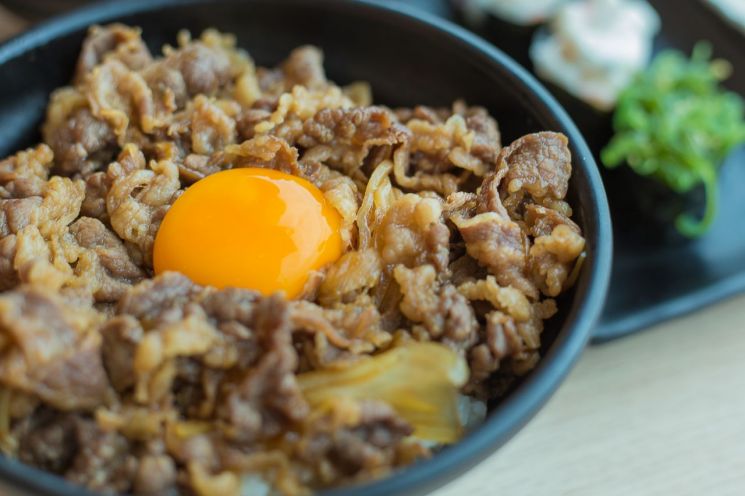 Since its founding in 1899, Yoshinoya has consistently insisted on rice bowl dishes, and this is the first time it has introduced noodles on the menu. Photo by Getty Images
At a press conference the previous day, Yoshinoya President Tetsuya Naruse stated, "It is not easy to manage the business due to rising costs of ingredients such as rice and beef, as well as labor costs." He added, "We will take on the challenge of a new genre?noodles?in order to increase the number of visitors." Yoshinoya Holdings, which owns Yoshinoya as a subsidiary, also announced last month that it would make ramen a future growth business.
Some other restaurant chains are also expanding their noodle-related businesses. "Densetsu no Sutadonya," a rice bowl chain with about 200 locations in Japan and abroad, opened a ramen restaurant in Tokyo on May 8. A company representative explained, "Ramen is based on flour and soup, so the cost of raw materials is relatively stable. The cost per meal can be reduced by about 100 to 150 yen (approximately 940 to 1,410 won) compared to rice bowls." In addition, Ichibanya, which operates "Curry House CoCo Ichibanya," acquired a company last year that had been selling ramen mainly in Osaka.
Changes are also appearing in consumer eating habits. According to Kyodo News on June 21, sales of frozen udon have increased by more than 10% year-on-year, and sales of at-home ramen soup have also risen by a similar margin. Western-style breakfasts such as bread and cereal are regaining popularity, and demand for easy-to-eat alternatives like yogurt and onigiri is also rising alongside the shift away from rice.
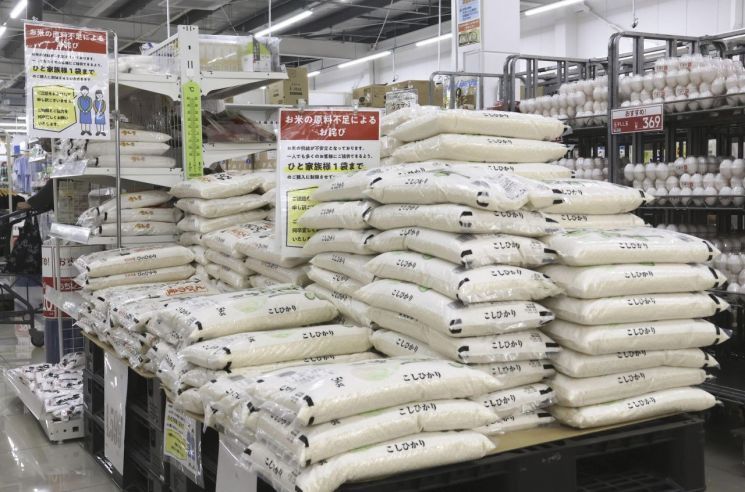
Meanwhile, the latest average retail price of rice in Japan has fallen for four consecutive weeks to 3,920 yen (about 36,840 won) per 5 kg, due to measures such as the so-called "half-price reserve rice" release. However, this is still 78.3% higher than the same period last year.
© The Asia Business Daily(www.asiae.co.kr). All rights reserved.














