OMFIF Survey of 75 Central Banks
Gold, Euro, and Yuan Ranked as Top Preferences
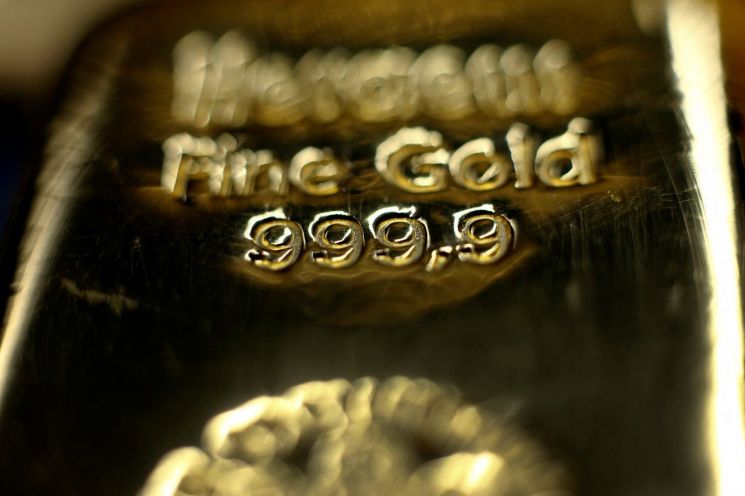
In recent years, gold, which has recorded near all-time high levels of buying, has emerged as a major asset to potentially replace the US dollar. As the dollar's status as the world's key currency is being challenged, other currencies such as the euro and the yuan are also receiving increased attention from global central banks.
According to Reuters on June 24 (local time), the independent think tank Official Monetary and Financial Institutions Forum (OMFIF) conducted a survey of 75 central banks worldwide between March and May. The results showed that one in three (32%) plan to increase their gold holdings within the next one to two years. This figure excludes institutions that plan to reduce their gold reserves, and it is the highest level in the past five years.
Gold was also the most preferred asset in the long term. Forty percent of respondents said they plan to increase their gold holdings over the next ten years. In its report, OMFIF assessed that "central banks are further strengthening their investment in gold, following years of record gold purchases by central banks."
In contrast, the dollar, which was the most preferred asset in last year's survey, fell to seventh place this year. The proportion of respondents planning to increase their dollar holdings in the next one to two years was slightly below 5%. Seventy percent said that the US political environment is negatively affecting investment in the dollar. This is more than double the response rate from last year.
The diversification of dollar assets by central banks is expected to benefit the euro and the yuan significantly. Looking at the proportion of respondents planning to increase their holdings in the next one to two years, the euro (16%) and the yuan (14%) ranked first and second, respectively. The proportion planning to expand euro holdings more than doubled compared to last year (7%).
However, when the time frame is extended to the next ten years, the yuan becomes more preferred. Thirty percent of respondents said they expect to increase their yuan holdings, and the proportion of yuan in global foreign exchange reserves is expected to rise to 6%, which is three times the current level.
According to three sources who directly deal with foreign exchange reserve managers, positive sentiment toward the euro has been growing among reserve managers since "Liberation Day," when President Trump announced high tariffs.
Max Castelli, Head of Global Sovereign Fixed Income Strategy at UBS Asset Management, said, "Since Liberation Day, there have been many inquiries from reserve managers asking whether the dollar's status as a safe asset is at risk. As far as I can recall, this question has not been raised since the 2008 financial crisis."
Kenneth Rogoff, a Harvard University professor and former chief economist at the International Monetary Fund (IMF), said, "The share of the euro as a global reserve asset will almost certainly increase over the next few years. This is not because Europe is being viewed much more positively, but because the dollar's status is weakening."
Meanwhile, according to a recently released report by the European Central Bank (ECB), as of the end of 2024, the dollar's share of global foreign exchange reserves stood at 58%, which is two percentage points lower than at the end of 2023.
© The Asia Business Daily(www.asiae.co.kr). All rights reserved.












