Ireland Emerges as Key Supplier of Obesity Drug Ingredients
Exports About 10,600 Kilograms of Hormones to the U.S.
Now the Second-Largest U.S. Trade Deficit Partner
Inventory Stockpiling Ahead of Potential Tariffs Also a Factor
Ireland has risen to become the United States' second-largest trade deficit partner this year, driven by a surge in imports of raw materials for obesity medications.
 Ireland's economy grew by 9.7% in the first quarter of this year compared to the previous quarter, driven by increased exports of raw materials for obesity treatment drugs. Getty Images
According to the Wall Street Journal (WSJ) and other sources on June 20 (local time), the United States imported $71 billion (about 97 trillion won) worth of products from Ireland between January and April of this year. Of this total, about half?$36 billion?was for hormones used in the manufacture of obesity and diabetes treatments. These hormones are used to make glucagon-like peptide-1 (GLP-1) class obesity medications and new types of insulin. A representative GLP-1 class obesity treatment is Wegovy.
The total import volume of these hormones was only 23,400 pounds (about 10,600 kilograms), but this enabled Ireland, a small country with a population of 5.4 million, to record a massive trade surplus with the United States. The WSJ analyzed that the sharp increase in Ireland’s pharmaceutical exports this year was due to pharmaceutical companies stockpiling inventory in the U.S. before President Donald Trump imposes tariffs, as well as high demand for obesity medications.
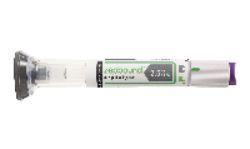 Eli Lilly's obesity treatment drug 'Zepbound'. Eli Lilly
The final destination for most of the hormones imported from Ireland was Indiana. Indiana is home to the headquarters of Eli Lilly, the pharmaceutical company that manufactures Mounjaro (marketed as Zepbound in the U.S.), a new drug that treats both obesity and diabetes.
Driven by increased exports of raw materials for obesity medications, Ireland’s economy grew by 9.7% in the first quarter of this year compared to the previous quarter. However, the surge in pharmaceutical exports has also become a source of strain in relations with the United States.
 Ireland rose to the second largest U.S. trade deficit partner this year, driven by a surge in imports of raw materials for obesity medications. Photo by Pixabay
Earlier this month, the U.S. Treasury Department added Ireland to its currency monitoring list in a currency report, citing Ireland’s large trade surplus with the United States as one of the reasons. In addition, President Trump hopes that American pharmaceutical companies that relocated to Ireland will move their production bases back to the United States. Ireland has long attracted many U.S. pharmaceutical companies by operating a corporate tax system favorable to businesses. Some of the world’s best-selling drugs, such as AbbVie’s wrinkle treatment Botox and Merck’s immunotherapy drug Keytruda, are produced in Ireland.
In April, the U.S. Department of Commerce launched an investigation under Section 232 of the Trade Expansion Act to assess the impact of pharmaceutical imports on national security. Depending on the results, tariffs could be imposed in the future on imported drugs and raw materials such as hormones.
From January to April of this year, the United States’ largest trade deficit by country was with China at $88 billion (about 120 trillion won), followed by Ireland at $65.2 billion (about 90 trillion won).
© The Asia Business Daily(www.asiae.co.kr). All rights reserved.













