"No Exceptional Circumstances Confirmed... Related Emergency Measures Ended"
"Gradual Resumption of Chicken and Poultry Exports Planned"
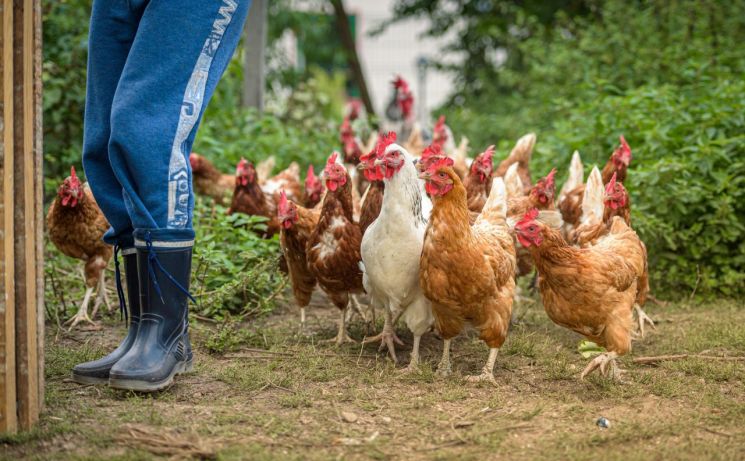
Brazil, the world's largest exporter of chicken, has ended its special quarantine and emergency response period for highly pathogenic avian influenza (HPAI), which had lasted for nearly a month.
On June 18 (local time), the Brazilian Ministry of Agriculture, Livestock, and Food Supply announced in a press release, "There have been no additional cases for 28 days since the start of HPAI control at a poultry farm in Montenegro, Rio Grande do Sul state," adding, "In accordance with protocol, we have confirmed that there are no further exceptional circumstances and have ended the related emergency measures as of today."
Carlos F?varo, Brazil's Minister of Agriculture, Livestock, and Food Supply, reported the situation to the World Organisation for Animal Health via the Secretariat of Agricultural Defense. He stated, "We will now responsibly and gradually promote the resumption of exports of chicken and other poultry products."
Starting today, Brazilian authorities are directly notifying countries that had temporarily suspended poultry imports. They also added that they are working to normalize the global supply and demand for broiler chickens.
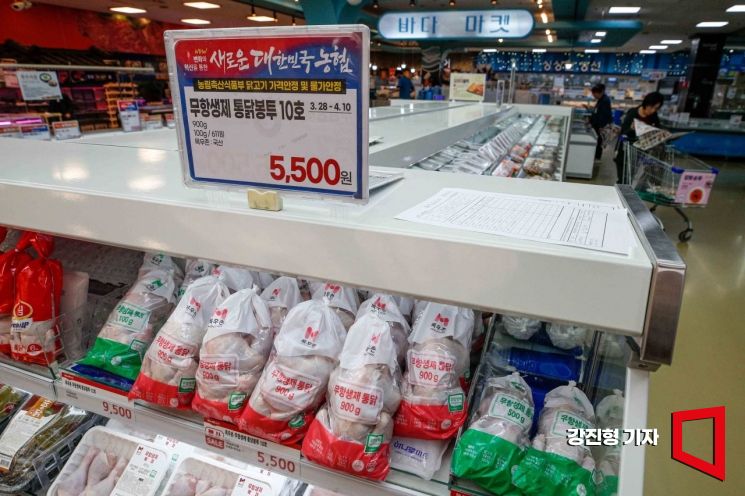
As a result, South Korea, which had partially restricted imports of Brazilian poultry, is expected to review the possibility of lifting the ban after consultations. Brazilian chicken is generally less expensive than Korean chicken and is usually imported as boneless meat, which has made it popular among many food service franchise companies in Korea.
Last year, South Korea imported 158,000 tons of Brazilian chicken, accounting for 86% of total chicken imports (183,600 tons). Most of it is imported as boneless meat and is known to be used in boneless chicken dishes at domestic chicken franchises. Previously, the Korean government decided to allow imports of chicken only from regions in Brazil where there had been no outbreaks of highly pathogenic avian influenza, and proceeded with the related administrative procedures to address concerns about chicken supply.
Brazilian authorities also expect exports to China, the United Arab Emirates (UAE), Japan, and Saudi Arabia to gradually return to normal. Brazil, the world's top chicken exporter and one of the top two or three chicken producers (according to the Brazilian Ministry of Agriculture, Livestock, and Food Supply), reported an outbreak of highly pathogenic avian influenza last month at a commercial poultry facility in Montenegro. This was the first confirmed case of highly pathogenic avian influenza at a chicken farm in Brazil intended for chicken meat production.
© The Asia Business Daily(www.asiae.co.kr). All rights reserved.













