Australia Shifts to Risk-Based Blood Donation Criteria
Eligibility No Longer Based on Gender Identity
Up to 625,000 More Donors Expected
The Australian government has decided to ease blood donation restrictions for sexual minorities as part of a policy shift aimed at securing more blood and plasma supplies.
According to the BBC on June 17 (local time), Australia will implement revised plasma donation regulations starting July 14, and plans to gradually change blood donation regulations next year. Under the new guidelines, donor eligibility will no longer be restricted based on gender identity or sexual orientation, but will instead be assessed based on individual risk behaviors.
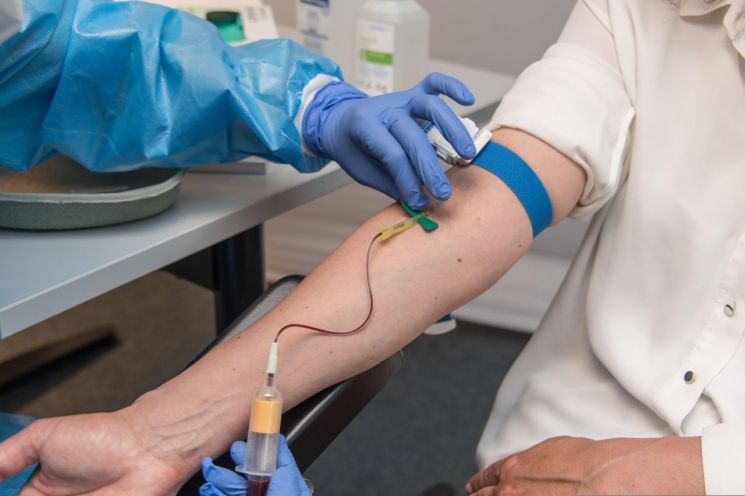
With this move, Australia will become the first country in the world to expand its blood and plasma donor pool to include gay and bisexual men, thereby addressing the issue of stigma against sexual minorities (LGBTQ), according to the BBC.
Previously, Australia had restricted blood and plasma donations from men who had sex with men, transgender women, and sex workers within the past three months, citing the risk of human immunodeficiency virus (HIV) infection. However, under the new rules, anyone who has had sexual relations with only one partner for at least six months will be eligible to donate, regardless of gender.
Instead, a new question has been added: "Have you had anal sex with a new or multiple partners in the past three months?" Those who answer yes will have their blood donation deferred for a certain period, but plasma donation will not be restricted. Individuals taking the HIV prevention medication PrEP will also be eligible for plasma donation, but blood donation will remain restricted.
Lifeblood and the Kirby Institute at the University of New South Wales have stated that these changes will not negatively impact blood safety. The Therapeutic Goods Administration (TGA) has also approved the revised regulations based on related research findings.
As a result of this measure, the number of people eligible to donate blood and plasma in Australia is expected to increase by approximately 625,000. The Australian Federation of AIDS Organisations (AFAO) welcomed the move, saying it will provide meaningful support to medical settings with high plasma demand.
© The Asia Business Daily(www.asiae.co.kr). All rights reserved.












