Potential Windfall Similar to the Red Sea Crisis
No Alternative to the Strait of Hormuz Remains a Key Factor
Rising Oil Price Volatility... Situation Requires Close Monitoring
The shipping industry is on high alert as military clashes between Israel and Iran intensify. While there are expectations of a windfall from rising freight rates?similar to the situation in the Red Sea at the end of 2023?there are also concerns about increased oil prices and cost burdens due to the possibility of a large-scale escalation or prolonged conflict.
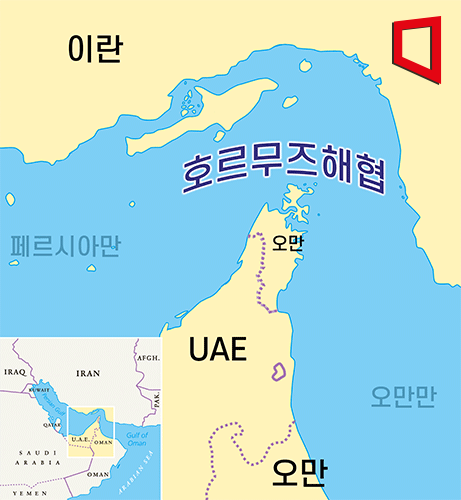
According to industry sources on June 17, domestic shipping companies operating Middle Eastern routes through the Strait of Hormuz are closely monitoring the situation. The Strait of Hormuz, located at the entrance to the Persian Gulf south of Iran, is a critical passageway for 11% of global maritime trade and 34% of seaborne crude oil exports.
Unlike the Suez Canal, there are no alternative routes for the Strait of Hormuz, making detours impossible if it is blocked. As a result, every time military conflict breaks out in the Middle East, there has been high volatility in both freight rates and oil prices.
There are predictions that shipping companies such as HMM will benefit from rising freight rates due to this latest conflict. This expectation is based on the precedent set during the Red Sea crisis, when freight rates soared. At that time, global shipping companies rerouted via the Cape of Good Hope after the Suez Canal was blocked by attacks from Yemen's Houthi rebels. The resulting longer transport times and shortage of shipping capacity led to a spike in freight rates, a trend that continued through last year. In 2024, the average annual Shanghai Containerized Freight Index (SCFI) was 2,506.27, up 149% from the previous year's 1,005.79. Benefiting from these special circumstances, HMM recorded sales of 11.7002 trillion won and an operating margin of 30% last year.
However, there are also assessments that the benefits may be limited, as HMM operates only one regular container service connecting the Middle East. In addition, if freight rates continue to rise, this could lead to a decrease in demand, and rising international oil prices could increase cost burdens.
Although the likelihood of a complete blockade of the Strait of Hormuz is low, international oil prices have effectively reflected a supply reduction effect. Amid the Middle East crisis, on June 13, the front-month Brent crude futures price on the ICE Futures Exchange closed at $74.23 per barrel, up 7.0% from the previous trading day, while the front-month West Texas Intermediate (WTI) crude futures price on the New York Mercantile Exchange closed at $72.98 per barrel, up 7.3%.
Since then, international oil prices have fluctuated as optimism about easing tensions in the Middle East has mixed with ongoing concerns. An HMM official stated, "So far, there has been no disruption to operations," and added, "If the Strait of Hormuz is blocked, we may consider unloading at nearby alternative ports and transporting cargo overland."
Meanwhile, the airline industry has stated that the current military conflict in the Middle East has had no direct impact. Korean Air's Tel Aviv route, which it previously operated, has remained suspended since the Red Sea crisis in October 2023. A Korean Air official said, "Currently, we are only operating the Dubai route in the Middle East, and no route changes or other measures have been required," adding, "We are monitoring oil price volatility."
© The Asia Business Daily(www.asiae.co.kr). All rights reserved.