1. 1.5 Times Higher Than Overall Consumer Price Inflation Rate
2. Ingredient Costs, Labor Costs, and Delivery Fees Are the Main Factors
Over the past five years, the phenomenon known as "lunchflation" (lunch + inflation) has accelerated. This is due to the fact that restaurant prices have risen to a level 1.5 times higher than the overall consumer price inflation rate.
According to data from the National Statistical Portal (KOSIS) of Statistics Korea on June 15, the consumer price index for dining out rose from 100 in 2020 to 124.56 last month, an increase of 24.6%. This is 1.5 times higher than the 16% increase in the overall consumer price index during the same period.
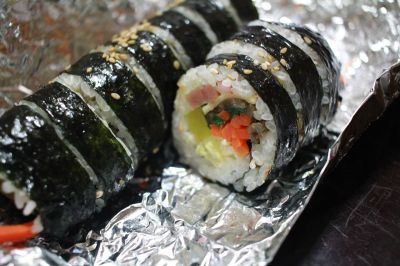
Among 39 dining-out items, gimbap (38%) and hamburgers (37%) saw the highest price increases. Tteokbokki, jjajangmyeon, ramen, and galbitang also rose by more than 30%.
Additionally, 30 items?including naengmyeon, doenjangjjigae, and samgyeopsal?rose by more than 20%, accounting for 77% of all items. The cost of meals at staff cafeterias also jumped by 24% over five years. Only four items, including soju, increased less than the overall consumer price index (16%).
The main reasons cited for the sharp rise in dining-out prices over the past five years are increases in ingredient and labor costs. Prices of agricultural, livestock, and fishery products rose by 22% during the same period, while processed food prices increased by 24%. In particular, the prices of essential ingredients for the restaurant industry?such as flour, cheese, and sugar?rose simultaneously due to high exchange rates and climate change. In addition, the burden of delivery fees, which has become significant in recent years, has also contributed.
LotteRia and McDonald's raised prices again this March, following last year, citing increases in exchange rates and raw material costs. Coffee brands such as Starbucks, MegaCoffee, Compose Coffee, and Paikdabang also raised prices one after another at the beginning of this year. The reasons are high exchange rates and a sharp rise in international coffee bean prices.
Delivery-related costs have also become a major factor influencing restaurant prices in recent years. Some businesses are implementing a "dual pricing system," setting different prices for in-store and delivery orders. The Ministry of Agriculture, Food and Rural Affairs introduced a case in which, after a lunchbox company adopted a dual pricing system, the consumer price index for lunchboxes in November last year rose by 11.1% compared to the previous year.
Experts emphasized that in order to ease the upward trend in dining-out prices, a multifaceted approach is needed, including stabilizing raw material prices, improving distribution structures, and establishing mid- to long-term responses to climate change.
© The Asia Business Daily(www.asiae.co.kr). All rights reserved.












