Caution Needed When Using Free USB Ports in Public Places
Time to Pay Attention to Smartphone Charging Security
It is common for people to use free charging stations installed in public places such as subway stations when their phone battery runs low while outside. However, caution is needed, as using these facilities could make you a target for cybercrime.
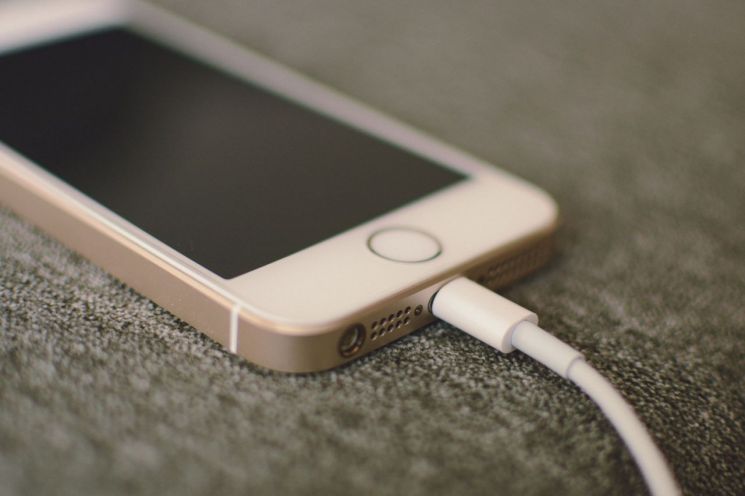
According to industry sources on June 14, 'Juice Jacking' crimes have recently been spreading worldwide. This type of crime involves hackers installing malicious devices in public USB ports, so that when someone connects their smartphone, malware is automatically injected into the device or stored personal information is stolen.
Hackers gain access to smartphones via USB charging ports and steal sensitive information such as photos, personal data, and financial application details. This process takes place in 'stealth mode,' making it difficult for users to notice, and in some cases, users may remain unaware of any signs of compromise for years. The stolen personal information is then transmitted to the hacker's server, where it may be traded illegally or used for secondary crimes.
Since 2021, the United States Federal Communications Commission (FCC) has warned people to be cautious of juice jacking, and the United States Federal Bureau of Investigation (FBI) also recently advised on its official X (formerly Twitter) account, "It is best to avoid using public chargers installed in public places whenever possible." Major IT companies have also responded. Apple introduced a feature in iOS and iPadOS version 18.4 that requires users to enter a PIN code or password when charging, and Google has added similar security measures to Android version 15.
Experts recommend the following security practices: refrain from using public USB ports; carry a personal power bank or wall charger; use a dedicated USB adapter (data-blocking cable) that blocks data transfer functions; select 'charge only' when using a USB port; ignore connection requests or suspicious notifications from unknown sources; and keep your operating system and security software up to date. In addition, the United States Transportation Security Administration (TSA) emphasized, "Never shop online or enter sensitive personal information while using public Wi-Fi," because hackers may attempt to use public Wi-Fi networks for hacking.
© The Asia Business Daily(www.asiae.co.kr). All rights reserved.












