FSS Orders Credit Card Companies to Share Information on FDS Monitoring and Suspicious Transactions
Guidelines Provided to Consumers on Preventing Smishing and Overseas Credit Card Fraud
Amid a massive data breach in China involving 4 billion personal information records?the largest ever for a single incident?the Financial Supervisory Service (FSS) stated on June 13 that there is no confirmation that domestic personal credit information was included.

The FSS also reported that it has not received any reports from credit card companies regarding cases of domestic consumer damage related to this incident.
An FSS official said, "Currently, there are no complaints or records of unauthorized use related to the Chinese information leak reported by credit card companies, nor any unusual transaction activity."
The FSS expressed concern that, going forward, there could be cases of text message payment scams (smishing) involving phrases such as "Alipay overseas payment completed" or "Check for Alipay personal information leak."
The FSS explained that if credit card information or similar data is leaked due to electronic financial fraud (phishing) or hacking, there is a possibility that this information could be illegally distributed or used fraudulently at domestic or international online merchants.
The FSS shared the details of the Chinese personal information leak with credit card companies and requested that they closely monitor complaints related to unauthorized use. The FSS also instructed companies to conduct thorough monitoring through their Fraud Detection Systems (FDS).
The FSS urged that if any related cases of damage or unusual transaction patterns are detected through FDS monitoring, credit card companies should immediately report this to the FSS and share the information among themselves.
The FSS also guided companies to preemptively review consumer protection measures, including responses to potential damages.
An FSS representative stated, "We will strengthen monitoring of the distribution of leaked information on the dark web in cooperation with relevant information security agencies to determine whether a personal information leak has actually occurred. If any related cases are confirmed in the future, we will provide additional guidance to the public."
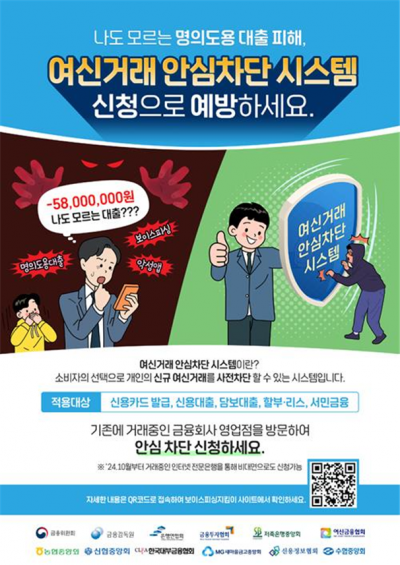
The FSS also provided consumers with important information on how to prevent damage from smishing and unauthorized use of credit cards overseas.
First, consumers should avoid clicking on internet addresses (URLs) in text messages if the source is unclear. If there is concern about unauthorized financial transactions due to a personal information leak, consumers should sign up for a safe blocking service.
When using overseas direct purchase sites or similar platforms, consumers should avoid saving card information on the payment page unless the site is trusted, and are advised to use their credit card company's application to issue a "virtual card for overseas online transactions."
If card information phishing or similar suspicious activity is suspected after online shopping, consumers should immediately request card suspension or reissuance from their credit card company.
© The Asia Business Daily(www.asiae.co.kr). All rights reserved.













