8 Out of 10 Koreans Recognize the Need for Public Hospitals,
But Actual Utilization Remains Low
Survey Shows High Expectations for Public Hospitals During Crises
Low Usage Especially Among Patients With Severe Illnesses
Experts Call for Urgent Improvements in Quality of Care
Report Stresses the Need for a Regionally Integrated Essential Healthcare System
After experiencing the COVID-19 pandemic and ongoing conflicts between the government and the medical community, it was found that 8 out of 10 Koreans recognize the need for public hospitals. However, although a significant portion of the public highly values the necessity and contribution of public hospitals, the actual utilization rate remains low.
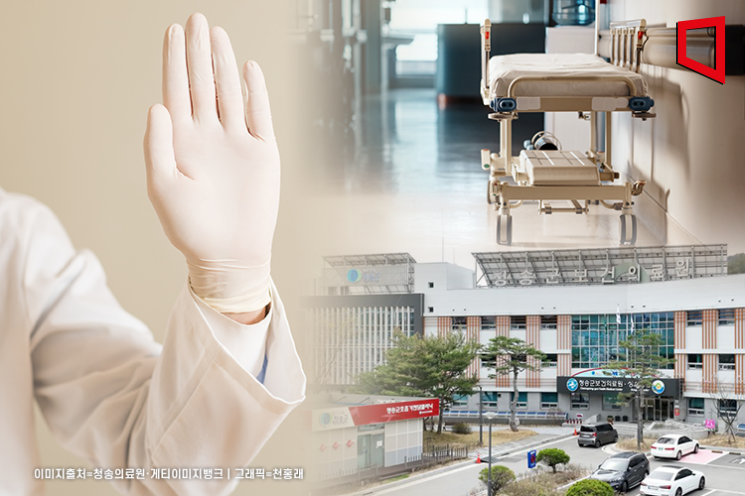
The Biohealth Policy Research Center of the Korea Health Industry Development Institute released a report on June 12 titled "Analysis of the Causes of Conflicts Between Perception and Utilization of Public Hospitals’ Contribution." The report presented the results of two surveys on public perception of public hospitals: the first was conducted from May 10 to 24, 2023, targeting 2,200 adults aged 20 to 69 nationwide, and the second was conducted from July 9 to 6, 2024, with 500 respondents in the same age group.
According to the survey, in 2023, 83.7% of respondents (including 57.2% who answered "very necessary") said that public hospitals are needed. Last year, the same response rate was 76.2% (including 44.4% "very necessary"), a slight decrease, but still about 8 out of 10 people considered public hospitals necessary.
Positive expectations that public hospitals can provide continuous care for chronic diseases or regular essential medical services even during crises such as new infectious diseases surged from 58.8% in 2023 to 85.4% last year. The expectation that public hospitals could improve access to essential medical care in medically underserved areas also rose from 53.6% to 81.4% during the same period.

However, contrary to these expectations, the actual utilization rate of public hospitals remained low. The rate of public hospital use within the past three years (self-reported) increased slightly from 37.0% in 2023 to 40.2% last year, when the conflict between the medical community and the government intensified.
In particular, the more serious the illness, the fewer people sought care at public hospitals. Last year, the utilization rate of public hospitals among patients with general illnesses was 61%, but for those with severe illnesses, it was only 14.2%. For patients with severe illnesses who did not use public hospitals, the reasons given (multiple responses allowed) were: "Because I have a hospital I regularly visit" (81.3%), "Because it is far away or transportation is inconvenient" (50%), "Because I am concerned that treatment for severe diseases may be insufficient" (15.6%), and "Because the medical facilities and equipment are outdated" (9.4%).

The intention to use public hospitals in the future (on a 5-point scale) also showed only a slight increase, from 3.7 points in 2023 to 3.8 points last year.
In-depth interviews with seven experts?including public health policy practitioners, local medical center managers, and researchers?revealed that they consider improving the "quality of care at public hospitals" to be an urgent priority. One interviewee pointed out, "Given the current level of the national economy, simply reducing non-reimbursed treatments will not be enough to encourage people to use public hospitals."
The Biohealth Policy Research Center emphasized, "Public hospitals face limitations in all aspects, including quality of care, service competitiveness, policy roles, and their position in the market." The center stressed that "it is urgent to fundamentally address these issues by designing a regionally integrated essential healthcare system, clearly defining the role of public hospitals, and shifting to a digital-based, quality-centered policy to support these changes."
© The Asia Business Daily(www.asiae.co.kr). All rights reserved.