3.33 Million South Koreans Visited Japan by April, Up 8% Year-on-Year
From This Month, Dedicated Immigration Lanes for South Koreans Introduced at Japanese Airports
Potential Expansion of Taxes on Foreign Travelers Amid Overtourism Backlash in Japan
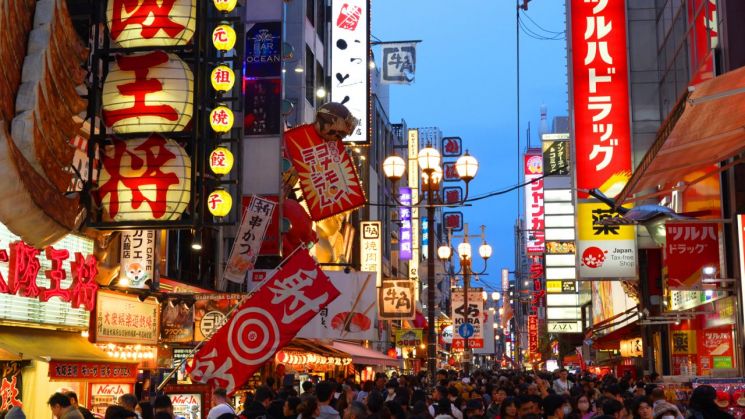
The number of South Koreans traveling to Japan this year is expected to surpass 10 million. Following last year's record-breaking number of visitors, driven by the weak yen after the transition to the COVID-19 endemic phase, it appears that this year will set a new travel record as well.
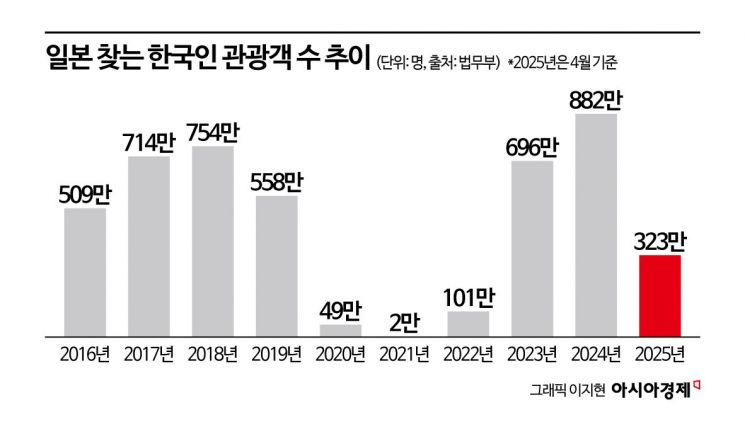
According to the Ministry of Justice on June 11, the number of South Korean visitors entering Japan as of April this year reached 3,227,758. By April 2025, a total of 9,946,098 South Koreans had traveled overseas, meaning that one out of every three outbound travelers chose Japan as their destination. In particular, the number of South Korean tourists visiting Japan this year increased by 7.6% compared to the same period last year (2,999,962), once again setting a new all-time high. This growth rate surpasses the overall increase in outbound tourists, which was 4.3%.
Japan is firmly maintaining its position as the number one overseas travel destination for South Koreans. After a sharp decline in South Korean travel to Japan due to the COVID-19 pandemic and anti-Japan sentiment such as the 'No Japan' movement, the resumption of overseas travel in 2022 led to an explosive increase. Last year, the number of visitors surged to a record 8.82 million, driven by the weak yen, and considering the current pace of visitors this year, it is expected that the number will surpass 10 million for the first time ever.
The number of Japanese visitors to South Korea is also increasing rapidly. Last year, 3,224,079 Japanese tourists visited South Korea, a 39.2% increase compared to the previous year (2,316,429). This year, 1,040,414 Japanese tourists visited South Korea by April, a 16.2% increase from the same period last year (895,145). This growth rate is higher than the overall increase in foreign tourists (14.6%), and Japanese tourists accounted for 18.7% of the total 5,577,360 foreign visitors. However, compared to the scale of South Korean travel to Japan, there remains a significant gap, resulting in a large travel account deficit for South Korea.
The main reason for South Koreans' strong preference for travel to Japan is undoubtedly its cost-effectiveness. As domestic consumer prices continue to rise, nearby overseas travel to Japan has become more attractive in terms of value for money, especially when considering duty-free benefits, making it even more appealing than traveling to Jeju Island. In addition, since the end of 2022, the resumption of visa-free individual travel for foreigners and the depreciation of the yen have further reduced the burden of travel expenses, contributing to this trend.
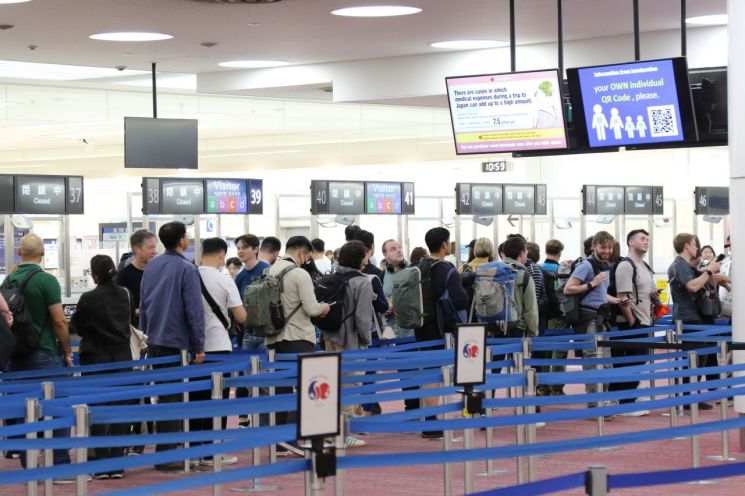
With the surge in South Korean visitors to Japan, Japanese airports are introducing immigration lanes exclusively for South Koreans. To mark the 60th anniversary of the normalization of diplomatic relations, South Korea and Japan are operating dedicated immigration lanes for each other's citizens at four airports?Gimpo and Gimhae in South Korea, and Haneda and Fukuoka in Japan?throughout June. Notably, Haneda Airport has allocated 6 out of 16 foreigner immigration counters and 16 out of 43 foreigner immigration kiosks exclusively for South Koreans. Using these dedicated lanes, South Korean travelers can complete immigration procedures with minimal waiting time.
South Korean tourists have often complained about long wait times when entering Japan through airports. If this measure is expanded and becomes permanent, it is expected to further increase the number of travelers between the two countries. In addition, South Korea and Japan are considering introducing a pre-clearance system, in which immigration procedures are completed before departure to the other country. This would involve dispatching immigration officers to each other's airports to pre-screen travelers before they arrive at their destination.
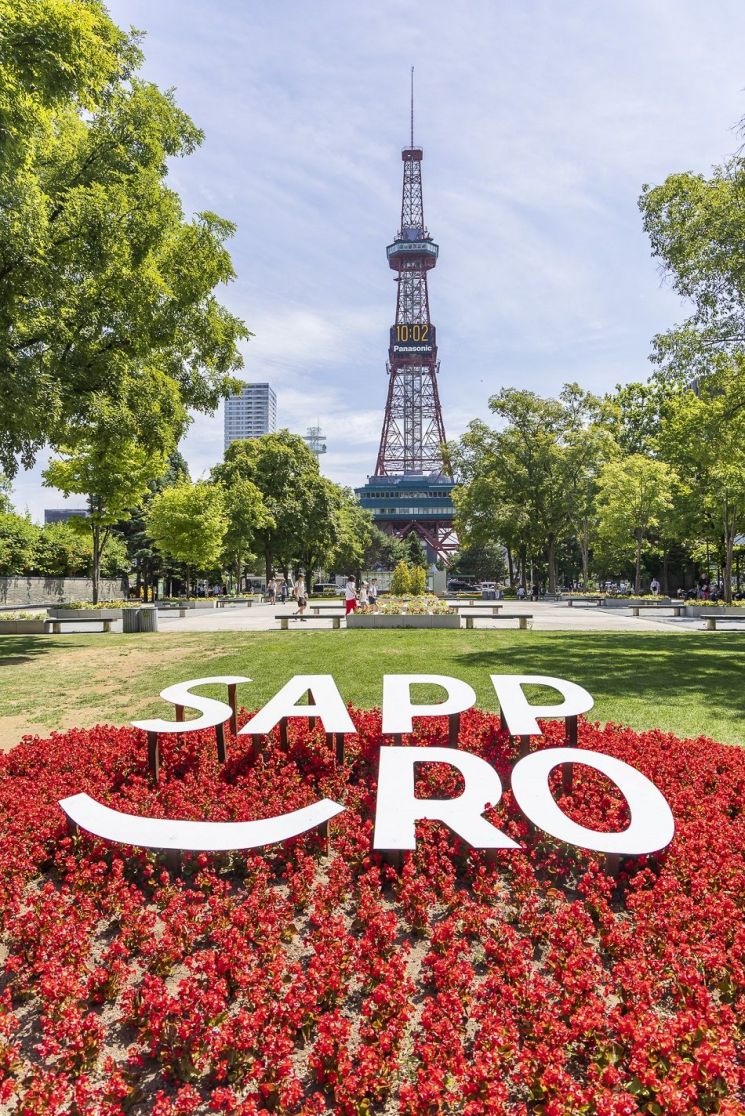
However, recent backlash against 'overtourism' in Japan has led to growing calls for increased tax burdens on foreign travelers, which could reduce the incentive for travel to Japan. After the relaxation of COVID-19 quarantine policies, the sharp rise in foreign tourists has triggered overtourism issues in various regions, prompting discussions about imposing new taxes on foreign visitors as a countermeasure. Specifically, the Japanese government and the ruling Liberal Democratic Party are discussing measures such as ending consumption tax exemptions for short-term foreign visitors and raising the 'International Tourist Tax' (departure tax) collected upon leaving Japan.
Currently, Japan operates a system where foreign tourists who purchase more than 5,000 yen (about 47,000 won) worth of goods at department stores and present their passports receive a consumption tax exemption of 10% (or 8% for food and similar items). However, the total amount of consumption tax exemptions for foreigners has reportedly exceeded 200 billion yen (about 1.88 trillion won), resulting in a significant fiscal burden. There are also concerns about illegal resale of duty-free goods within Japan. In addition, some argue that since foreign tourists also use Japan's social infrastructure, the current departure tax of 1,000 yen per person should be increased to ensure they contribute more to these costs.
© The Asia Business Daily(www.asiae.co.kr). All rights reserved.














