Labor-Management Conflict Intensifies Over Asset Sales
This Year's Wage Negotiations Expected to Face Difficulties
Labor-management conflict at Korea GM, amid rumors of a possible withdrawal, is intensifying. The company has decided to sell off assets to cut costs, while the union, in protest, has launched an overnight sit-in demanding the largest wage increase in its history. With both sides taking sharply opposing stances, this year's wage negotiations are expected to face significant difficulties.
According to industry sources on June 11, the Korea GM union began a relay overnight sit-in led by central executive committee members starting the previous day. During the wage negotiation talks held that afternoon, labor and management reportedly clashed over interpretations regarding asset sales, responses to tariffs, and the company's 2024 performance.
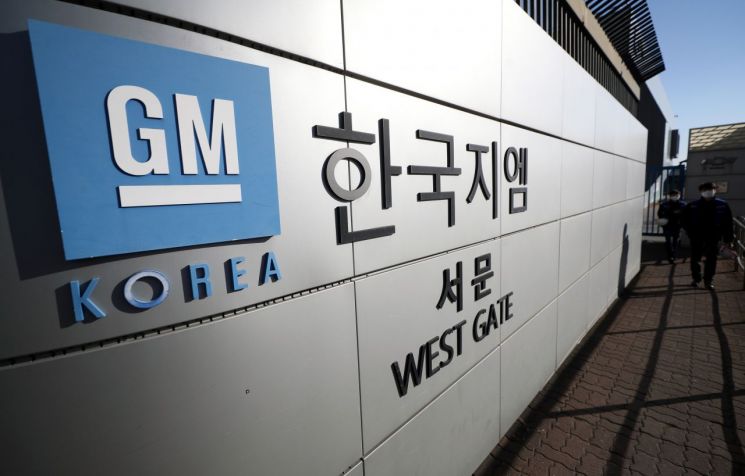
The most prominent issue is related to the asset sales. On May 28, Korea GM announced plans to sell nine directly operated service centers nationwide, as well as idle facilities and land at the Bupyeong plant. The company explained that this was a preemptive measure to reduce costs in response to tariffs.
In contrast, the union sees this as a provocation by management ahead of the wage negotiation kick-off meeting. The union claims that management is deliberately provoking the union to induce a strike and then using a hardline union as an excuse to proceed with withdrawal. Following the announcement of the asset sales, the union met consecutively with the Ministry of Trade, Industry and Energy, the Korea Development Bank, and National Assembly members from the Incheon district to condemn the company's actions.
With major issues such as tariff responses, asset sales, and withdrawal rumors coming to the fore, this year's wage negotiations at Korea GM are also expected to face difficulties. The union has submitted an unprecedented wage increase proposal, citing last year's operating profit as the basis, including a one-time payment of 63 million won per person. The union's demands include: ▲ a base salary increase of 141,300 won (5% of base salary); ▲ a performance bonus amounting to 15% of net profit; and ▲ an incentive payment equivalent to 500% of ordinary wages.
In response, management argues that the union's demands are unrealistic, given that Korea GM is struggling due to tariff impositions in its key export market, the United States. Previously, GM headquarters stated that the 25% tariff on finished vehicles imposed by the Trump administration could reduce this year's profits by $4 billion to $5 billion, with costs related to Korea GM alone reaching $2 billion (about 2.7 trillion won).
© The Asia Business Daily(www.asiae.co.kr). All rights reserved.












