Genesis Maintains Double-Digit Growth
Consumer Sentiment Cools After Tariff-Driven Rush
The U.S. sales growth rate for Hyundai Motor Company and Kia in May dropped to single digits. It is analyzed that demand somewhat slowed as consumer sentiment, which had advanced purchases in April in response to the U.S. announcement of tariffs on imported finished vehicles, calmed down in May.
On June 3 (local time), Hyundai Motor America announced that its May sales reached 84,521 units, up 8% compared to the same month last year. During the same period, Kia also sold 79,007 units, a 5% increase year-on-year.
Until April, the sales growth rate for Hyundai and Kia in April had reached 18% and 14%, respectively. Both companies also maintained double-digit growth in March, but the growth rate slowed in May. However, Genesis continued its double-digit sales growth in May, selling 6,723 units, which represented a 14% increase.
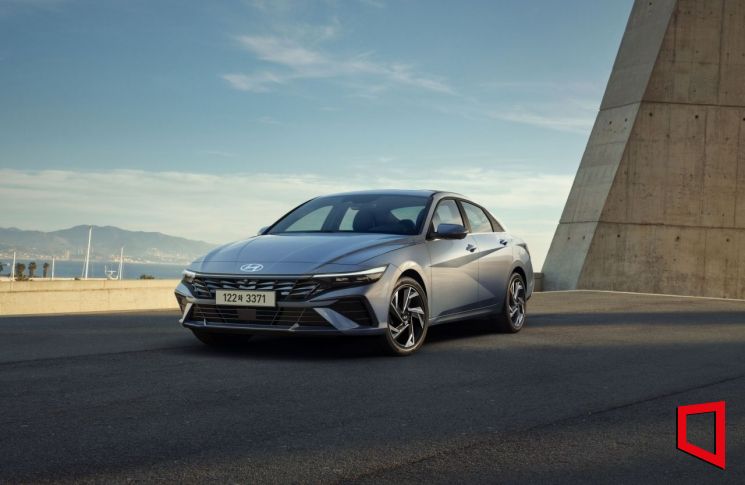
By model, Hyundai's Elantra N (Avante, up 141%), Venue (up 74%), Tucson (up 15%), Palisade (up 10%), Ioniq 6 (up 9%), and Santa Fe (up 0.3%) all set new monthly sales records in May. In particular, hybrid sales rose by 5%, leading electrified vehicles to achieve their highest-ever May sales.
Additionally, in May, Hyundai set a new record as cumulative sales of vehicles under the 'Hyundai' brand surpassed 17 million units in the U.S. market, approximately 39 years after entering the market in 1986.
Six models?Elantra, Sonata, Tucson, Santa Fe, Accent, and Excel?each surpassed 1 million units in cumulative sales, with the Elantra being recorded as the best-selling model in the brand's history.
Meanwhile, in May, Kia America achieved year-on-year sales growth for the eighth consecutive month.
The Carnival, which launched a new hybrid model last year, showed a significant year-on-year sales increase of 68%. The Telluride (up 12%) and Sportage (up 10%) SUVs, as well as the K4 sedan (up 4%), all set new May sales records.
The Donald Trump administration announced in April a 25% tariff on imported vehicles, with implementation deferred until July 9. U.S. media have reported that Ford, Subaru, and Hyundai are considering price increases in the coming weeks. They also predicted that, unless tariff agreements with major countries are renegotiated, most automakers will join in raising prices.
Recently, Hyundai Motor America stated, "We will continue to implement flexible pricing strategies and customized incentive programs to respond to changes in supply, demand, and regulations."
© The Asia Business Daily(www.asiae.co.kr). All rights reserved.












