Short-term Demand Surges Ahead of Rate Cuts and Stricter Lending Regulations
Seoul Apartment Transactions in May Set to Surpass 5,000
Seoul Apartment Listings Drop 12.4% Compared to Three Months Ago
With the launch of the new government, expectations of interest rate cuts, and the impending implementation of stricter lending regulations, homebuyers have been acting quickly, pushing the number of apartment transactions in Seoul last month close to 5,000. The Bank of Korea's signal toward a rate-cutting stance, combined with the persistent issue of supply shortages that are difficult to resolve in the short term, led many buyers to purchase homes before the new lending regulations took effect.
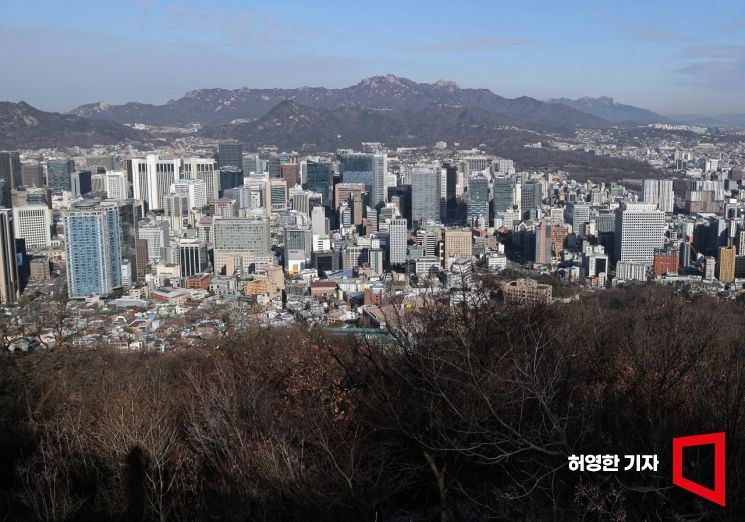
According to the Seoul Real Estate Information Plaza on June 3, the number of apartment transactions in May was tallied at 4,724. Considering that the reporting period runs until the end of this month, it is expected that the transaction volume will surpass that of April, which recorded 5,351 transactions.
The weekly apartment price trend for the fourth week of May, announced by the Korea Real Estate Board, shows that Seoul prices rose by 0.16%, continuing their upward trajectory. The upward trend is particularly notable in preferred complexes such as those undergoing reconstruction in Gangnam-gu (0.39%), Songpa-gu (0.37%), Seocho-gu (0.32%), Yangcheon-gu (0.31%), Gangdong-gu (0.26%), Mapo-gu (0.23%), Yongsan-gu (0.22%), Seongdong-gu (0.18%), and Gwangjin-gu (0.15%).
According to Asil, a real estate big data platform, as of June 3, the number of apartments for sale in Seoul stood at 81,468, a 12.4% decrease from three months ago (92,937 units). This was the second largest drop in listings after Sejong (-18.2%). Even in districts not designated as land transaction permit zones, such as Seongdong, Dongjak, and Gwangjin, listings have significantly decreased. Compared to one month ago, the number of listings fell by 16.2% in Seongdong-gu, 12.6% in Gwangjin-gu, and 11.8% in Dongjak-gu.
After the presidential election, the main variables expected to affect housing prices include interest rate cuts, supply shortages, and the easing of lending regulations. On May 29, the Bank of Korea lowered the base rate from 2.75% to 2.5%. Although the GDP growth forecast was sharply reduced from 1.5% to 0.8%, the pace of any additional rate cuts will likely influence the sales market. Bank of Korea Governor Rhee Changyong stated, "I agree that interest rates should be determined while monitoring the impact on real estate prices and household debt in the Seoul area."
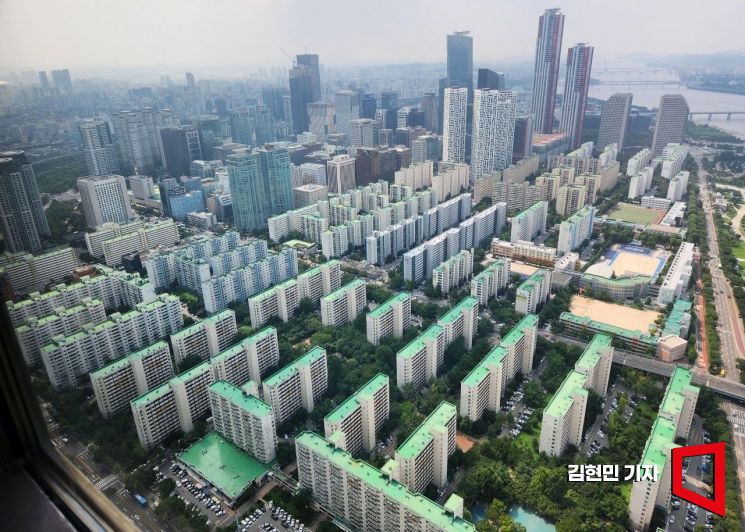
The issue of supply shortages is difficult to resolve in the short term. According to projections by Real Estate R114 and the Korea Real Estate Board, the nationwide number of new apartment units this year is expected to be 274,360, a drop of more than 20% compared to last year. Next year, the number of new units is projected to decrease by 30% to 190,773. In particular, Seoul is expected to see a nearly 50% reduction, from 46,710 units this year to 24,462 units next year.
Once the third stage of the stress DSR (Debt Service Ratio) is implemented, loan limits will be reduced, which is expected to diminish the purchasing power of buyers targeting mid- to low-priced homes. This could especially impact young people and first-time homebuyers. There is also a possibility that prices will rebound in the short term before and after the implementation of the regulations, followed by a wait-and-see approach once the regulations are in place. However, some predict that in popular areas such as Seoul and the greater metropolitan region, the likelihood of a significant price drop remains low.
Yang Jiyeong, head of asset management consulting at Shinhan Investment & Securities, explained, "In the real estate market in the second half of the year, we expect a structure where the 'benefits of interest rate cuts' and 'stricter lending regulations' will clash. While areas centered on high-priced residential assets are likely to respond flexibly, polarization could intensify as restrictions expand in the outer suburbs and regional markets driven by real demand."
© The Asia Business Daily(www.asiae.co.kr). All rights reserved.