Impact of Slowing Consumption and Increased Imports
Growth Rate Expected to Rebound in Second Quarter Due to Import Restrictions
The U.S. economy recorded negative growth in the first quarter of this year. This contraction was attributed to a slowdown in consumer spending caused by tariff policies and an increase in corporate imports. It marks the first time in three years that the U.S. economy has shrunk since the first quarter of 2022 (-1.0%), when the economy suffered a significant blow from the COVID-19 pandemic.
According to the U.S. Department of Commerce on May 29 (local time), the preliminary estimate for first-quarter gross domestic product (GDP) growth showed an annualized decline of 0.2% compared to the previous quarter.
This figure is a slight upward revision from the advance estimate of -0.3%. The United States releases its economic growth rate in three stages: advance, preliminary, and final estimates. The final estimate is scheduled to be released next month.
The main reasons for the U.S. economic contraction this year include a slowdown in consumer spending and an expanding trade deficit. Consumer spending, which accounts for two-thirds of the U.S. economy, increased by only 1.2%, marking the lowest growth rate in about two years. The contribution of net exports to GDP decreased by as much as 4.9 percentage points, indicating that negative effects from the trade sector played a significant role in the decline in growth.
However, increased corporate investment and inventory buildup partially offset the decline, resulting in a preliminary first-quarter GDP figure that was slightly higher than the advance estimate. The impact of reduced federal government spending was also found to be more limited than initially projected.
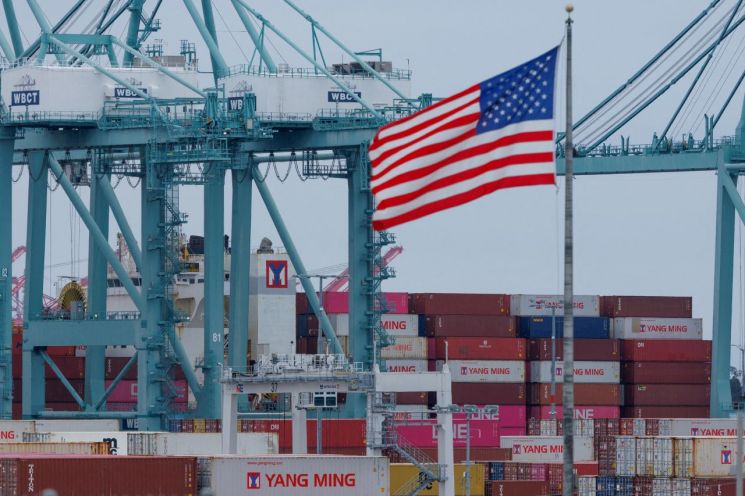
The negative growth rate in the first quarter following the re-election of President Donald Trump is closely linked to aggressive tariff policies. Companies significantly increased import volumes in advance to stockpile inventory before tariffs took effect, which contributed to the contraction. At the same time, weakened consumer sentiment led to a slowdown in the growth rate of consumer spending.
Experts predict that in the second quarter, imports will be curbed due to tariff hikes, and the inventory accumulated in the first quarter will drive growth, leading to a rebound in GDP. In addition to trade policy, the effects of immigration and tax cut policies on consumer spending and corporate investment are also drawing attention.
Meanwhile, the core personal consumption expenditures (PCE) price index rose by 3.4%, a significant increase from the 2.6% recorded in the fourth quarter of last year.
© The Asia Business Daily(www.asiae.co.kr). All rights reserved.












