Dr. Zhong Nanshan, Known as the "Anthony Fauci of China"
Says "COVID-19 Wave Has Peaked... Expected to Decline Starting in June"
Infections Confirmed Not Only in Greater China and Europe, But Also in the United States
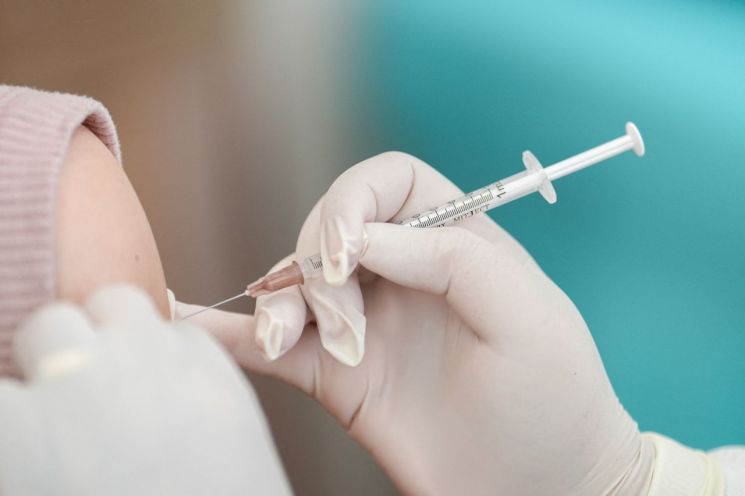
As COVID-19 variants are causing a resurgence mainly in Greater China and spreading globally, there are claims that the number of COVID-19 cases in China has peaked and will begin to decline starting next month.
According to the Hong Kong daily South China Morning Post (SCMP) on May 25, Chinese respiratory expert Dr. Zhong Nanshan stated at a science and technology event on May 24, "This COVID-19 wave is currently at its peak and is expected to decrease starting in June."
SCMP reported that Dr. Zhong Nanshan is often referred to as the "Anthony Fauci of China." Anthony Fauci, former director of the U.S. National Institute of Allergy and Infectious Diseases (NIAID), led the NIAID for over 40 years until 2022 and was responsible for U.S. pandemic response policies during the global outbreak. He continues to be regarded as an authoritative figure in the field of infectious diseases in the United States.
According to a report released by the Chinese Center for Disease Control and Prevention (CDC) on May 8, the positivity rate for acute respiratory infections has been on the rise since April. In April alone, a total of 168,507 confirmed cases were reported nationwide. The CDC analyzed 5% of these cases, all of which were found to be Omicron variants, with the main lineage being the XDV group. NB.1.8.1, which has recently been driving the increase in cases in Greater China, also belongs to the XDV group.
Dr. Zhong Nanshan pointed out that between March and May, the number of COVID-19 infections increased in regions including Hong Kong, Singapore, the United Kingdom, France, Brazil, and Norway. In Thailand, for example, there were 33,030 confirmed cases between May 11 and 17, more than double the previous week. Local media in Thailand attributed this surge to the influence of the Songkran festival, the country's biggest holiday and the largest annual break, which takes place in April.
Recently, COVID-19 variants have also been detected in the United States. On May 24, U.S. media outlets CBS and Fox News reported that the U.S. CDC officially confirmed the detection of the NB.1.8.1 variant, a member of the XDV group that has been driving the outbreak in China, in the United States. However, the number of confirmed cases in the U.S. remains below 20. A CDC spokesperson told Fox News, "We are monitoring all variants and will include them on the official dashboard if their prevalence increases." CBS reported that the variant was detected through the CDC's airport surveillance program, while Fox News noted that the CDC declined to officially confirm this.
South Korea remains relatively calm. According to the Korea Disease Control and Prevention Agency, during the second week of May (May 11-17), the number of hospitalized COVID-19 patients at 221 sample surveillance medical institutions nationwide was 100, down from 146 the previous week. Over the past four weeks, the number has fluctuated slightly but remained at a similar level. During this period, the COVID-19 virus detection rate was 8.6%, a slight increase (5.8 percentage points) from the previous week's 2.8%. Wastewater surveillance also showed a small increase (3.6 percentage points) in virus concentration compared to the previous week.
© The Asia Business Daily(www.asiae.co.kr). All rights reserved.












