Starbucks Korea Bans All Presidential Candidates' Names as Nicknames
BBC: "Political Conflict in Korean Society Intensifies"
Starbucks Korea has attracted international attention for its decision to temporarily block all presidential candidates' names from being used in its in-store nickname service ahead of the presidential election.
On the 23rd (local time), the BBC in the UK reported, "Starbucks Korea has made it impossible to set the names of presidential candidates such as Lee Jaemyung, Kim Moonsu, and Lee Junseok as nicknames until the presidential election ends on June 3." The BBC explained that this decision was made "amid intensifying political conflict in Korean society, ranging from former President Yoon Sukyeol's declaration of martial law to his impeachment."
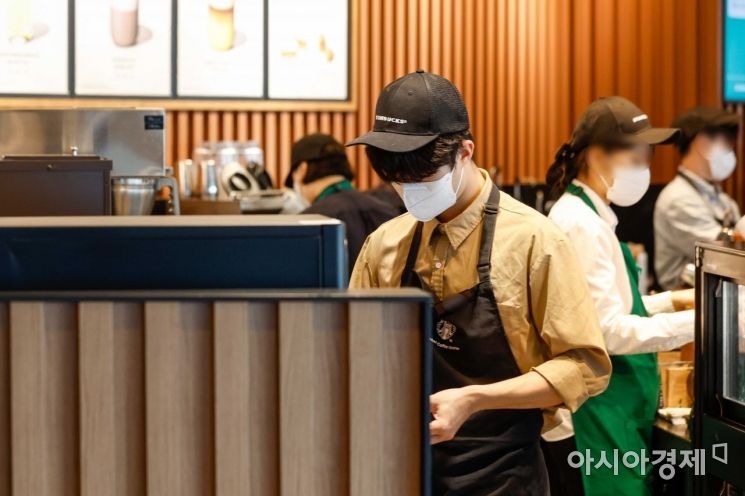
Starbucks has previously restricted the use of nicknames containing profanity, obscene, or hateful expressions that could cause discomfort to customers and employees. However, in the months following the martial law incident, politically charged nicknames such as "Yoon Sukyeol Arrest" and "Spy Lee Jaemyung" have appeared, causing discomfort to baristas who have to call out these names loudly.
The BBC also noted, "While Starbucks has blocked the use of some presidential candidates' names since the 19th presidential election, this is the first time the company has banned the use of all candidates' names in addition to former President Yoon's name."
Serene Tan, head of communications for Starbucks Asia Pacific, told the BBC, "We also block certain expressions that could be misunderstood by partners (employees) or customers," adding, "Preventing the use of candidates' names that contain messages of support or opposition during the election period is part of maintaining neutrality." As a result, employees no longer have to say politicians' names out loud, and customers can enjoy their coffee quietly. However, some people believe these measures are unnecessary or excessive, arguing that there are certainly customers who share names with presidential candidates and that the company is overreacting.
The BBC also covered the topic of celebrities' fashion choices on election day. In Korea, blue and red have come to symbolize progressives and conservatives, respectively, so the color of small fashion items like baseball caps or neckties attracts attention. The BBC introduced the case of singer Shin Ji, who deliberately posted black-and-white photos on social media ahead of last year's general election to avoid controversy. May (pseudonym), a makeup artist who has worked with K-pop stars and actors for over a decade, told the BBC, "I always avoid party colors during election periods," and added, "I mostly choose achromatic colors like white, black, and gray."
Not only Starbucks, but Naver has also restricted the auto-complete and related search suggestion functions for presidential candidates' names since the 11th. Naver explained that these measures are "aimed at providing more accurate and fair information during the election period."
© The Asia Business Daily(www.asiae.co.kr). All rights reserved.












