Policy Shift Needed: Focus on Incentives Rather Than Regulations
A recent survey found that more than half of manufacturing companies perceive the current carbon neutrality policy as a "regulation." There are growing calls for a policy shift toward incentive-based measures.
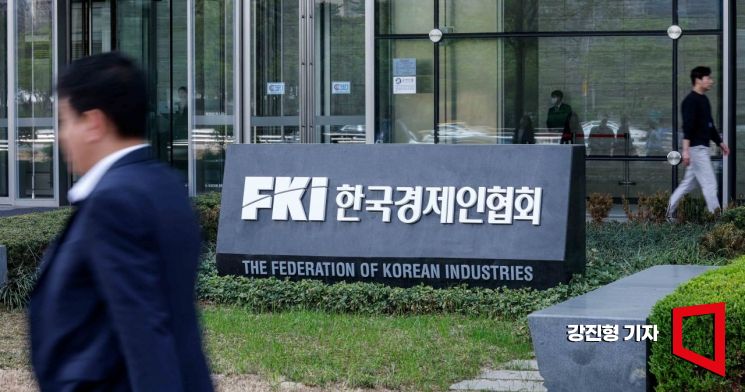
On May 15, the Korea Economic Association announced the results of a survey on the industrial sector's views regarding carbon neutrality policies, targeting the top 1,000 manufacturing companies by revenue (with 120 companies responding, survey conducted by market research firm Mono Research). The survey was conducted to gauge industrial perceptions ahead of this year's submission of the National Greenhouse Gas Reduction Target (NDC) and the establishment of the 4th Emissions Trading Scheme (ETS) allocation plan.
According to the survey, 64.2% of responding companies assessed that domestic carbon neutrality policies contain more regulatory factors than incentives. In contrast, only 4.2% of respondents felt that the current policies offered tangible incentives. The Korea Economic Association expressed concern that the current policies "could become constraints on business activities and securing international competitiveness."
The industrial sector rated the likelihood of achieving the "2030 NDC" as low. More than half of the respondents (57.5%) said the target was unlikely to be achieved, while only 5.0% believed it was likely. The Korea Economic Association analyzed that this assessment stems from the carbon-intensive structure of Korea's industrial sector. The association pointed out that, as of 2022, industries with high greenhouse gas emissions and difficulties in reduction?such as steel, petrochemicals, and cement?accounted for about 73% of the total, making it structurally challenging to reduce emissions.
Additionally, more than half of the responding companies (52.5%) said the current 10% paid allocation ratio in the ETS should be maintained. Companies are required to purchase a certain percentage of allocated emission permits through government auctions,and current law mandates an increase in this paid allocation ratio. Furthermore, in December last year, the government announced the 4th Basic Plan for the Emissions Trading Scheme and signaled a "significant increase" in the paid allocation ratio for the power generation sector. The Korea Economic Association warned that this would increase the burden on the industrial sector through higher emission permit purchase costs and electricity bills.
The Korea Economic Association emphasized that, considering the burden on the industrial sector, there is a need to shift carbon neutrality policies from a regulatory perspective to an incentive-based approach. In Japan, which has a similarly manufacturing-centered industrial structure, the government supports corporate investment and operates carbon neutrality policies based on incentives.
The association also argued that, given the high external dependence of the domestic economy, it is necessary to establish achievable NDC targets that reflect global policy trends. Major countries adjust the intensity of their carbon neutrality policies in consideration of potential declines in industrial competitiveness resulting from policy implementation. For example, the United States withdrew from the climate change agreement, and the European Union recently announced an omnibus package aimed at alleviating the regulatory burden on businesses.
Lee Sangho, Head of the Economic and Industrial Division at the Korea Economic Association, stated, "To encourage the industrial sector to implement carbon neutrality policies, it is essential to establish an economic incentive system first," adding, "Policies that achieve both economic growth and carbon neutrality are needed by shifting the focus from regulation to incentives."
© The Asia Business Daily(www.asiae.co.kr). All rights reserved.












