Christian Aid Report Warns of Risks to Banana Cultivation Areas in Latin America and the Caribbean
A study has found that by around 2080, 60% of banana cultivation areas in Latin America and the Caribbean?the world’s largest banana-producing regions?could disappear due to climate change. Bananas are the most widely consumed fruit globally and are the fourth most important food crop after wheat, rice, and corn.
The UK-based charity Christian Aid recently published a report stating that rising temperatures, extreme weather events, and pest outbreaks driven by climate change are devastating banana-producing countries such as Guatemala, Costa Rica, and Colombia, leading to reduced yields and severely impacting local communities.
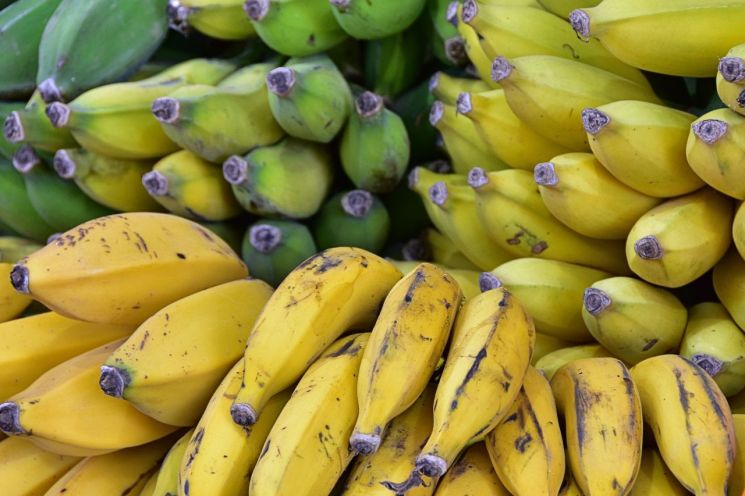
The report, "Chasing Bananas: How Climate Change Threatens the World’s Favorite Fruit," notes that in recent years, major banana-producing countries like Guatemala, Costa Rica, and Colombia have seen a sharp decline in banana production due to increased pest damage caused by heatwaves, heavy rains, and droughts.
According to the report, about 80% of bananas grown worldwide are consumed locally, and more than 400 million people rely on bananas for 15% to 27% of their daily calorie intake. However, bananas are highly sensitive to climate change. If temperatures fall below 20 degrees Celsius or rise above 35 degrees Celsius, their growth rate slows significantly. Bananas require a lot of water but grow best in well-drained soil. In particular, Cavendish bananas are vulnerable to storms. Strong winds can tear and strip their leaves, making photosynthesis much more difficult.
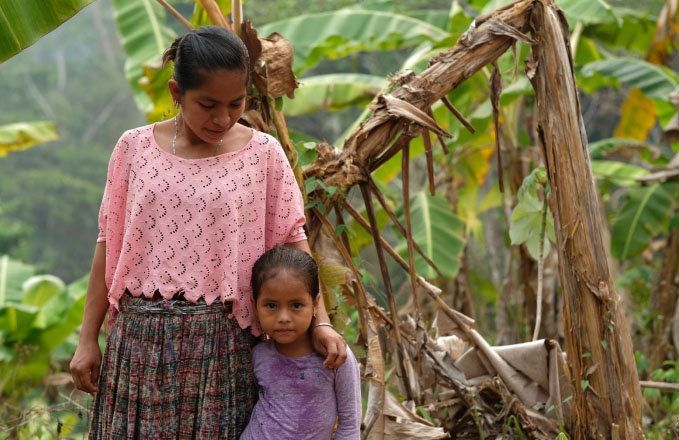 Residents of local banana farming communities in Latin America suffering significant damage due to decreased banana production caused by climate change. Photo by Christian Aid.
In addition, fungal diseases driven by the climate crisis are destroying banana plantations. Black leaf fungus can reduce the photosynthetic capacity of banana plants by up to 80%. Rising temperatures, irregular rainfall, and flooding create optimal conditions for this fungus, which thrives in humid environments, allowing it to spread even more. This can result in the simultaneous death of all the trees in a plantation.
The lack of genetic diversity, such as the intensive cultivation of the single Cavendish variety for export, is also accelerating the risk of banana extinction. Christian Aid analyzed that if current global warming trends continue, a vicious cycle of declining yields and shrinking farming communities will lead to a 60% reduction in banana cultivation areas in regions that currently produce 80% of the world’s export bananas by around 2080. In fact, in Latin America and the Caribbean, the average temperature in 2023 was 1.39 degrees Celsius higher than the 1961?1990 average, and hurricane and flood damage caused by the “boiling planet” phenomenon is rapidly increasing.
Osai Ojigho, head of policy at Christian Aid, said, “Bananas are not only the world’s favorite fruit, but also a vital food source for millions of people. We must be alert to the risks that climate change poses to this essential crop.”
© The Asia Business Daily(www.asiae.co.kr). All rights reserved.












