Food Poisoning Surges in May Due to Temperature Swings and Group Activities
KDCA Urges: "Report Cases of Diarrhea or Vomiting in Two or More People"
May, known as Family Month in Korea, is also a season characterized by large temperature fluctuations, which can accelerate the growth of bacteria. Additionally, with the Golden Week holidays, there is an increase in travel and group gatherings, as well as exposure to a variety of foods. For these reasons, extra caution is required to prevent food poisoning.

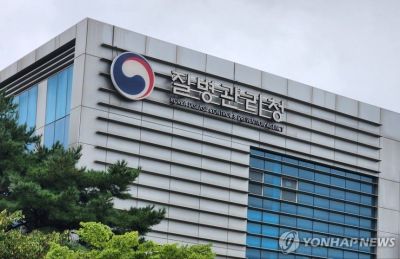
On April 30, the Korea Disease Control and Prevention Agency (KDCA) announced that it would implement an emergency summer quarantine system from May, when waterborne and foodborne infectious diseases?commonly known as food poisoning?become prevalent, until October 12.
According to the KDCA, as of May last year, there were a total of 529 reported cases of group food poisoning outbreaks. This figure represents a 10.4% increase compared to the five-year average from 2019 to 2023, which was 479 cases. The total number of cases amounted to 12,094 people, meaning that around 400 patients per day were affected. This is a 55% increase compared to the previous five-year average of 7,801 cases.
Food poisoning is a disease in which gastrointestinal symptoms such as vomiting, diarrhea, and abdominal pain mainly occur after consuming water or food contaminated with pathogenic bacteria, viruses, or protozoa. Examples include cholera, typhoid fever, paratyphoid fever, Vibrio sepsis, and salmonellosis.
It is generally known that cases of bacterial food poisoning increase in May. Among these, Salmonella (42.2%) and pathogenic Escherichia coli (17.0%) are particularly active. Infection with Salmonella can cause symptoms such as cramping abdominal pain, fever, nausea, vomiting, and headache, which typically appear between 6 and 72 hours after exposure.
Most people recover from Salmonella infection within 5 to 7 days. However, diarrhea may persist for several days during this period, which can lead to dehydration, so it is important to stay hydrated. Infants, people aged 65 or older, and those with weakened immune systems who experience severe diarrhea, bloody stools, or are at risk of complications may require antibiotic treatment.
Ji Youngmi, Commissioner of the KDCA, urged, "In the event of a group outbreak, please report immediately to the nearest public health center if two or more people develop similar symptoms such as diarrhea or vomiting, in order to enable a prompt response."
To prevent food poisoning, the KDCA emphasized the importance of the following practices: washing hands with soap under running water for at least 30 seconds, thoroughly cooking food before eating, boiling water before drinking, washing vegetables and fruits with clean water or peeling them before consumption, not preparing food if you have diarrhea, cooking in a hygienic manner, and using separate cutting boards for fish, meat, and vegetables.
© The Asia Business Daily(www.asiae.co.kr). All rights reserved.













