Lai Ching-te Outlines Five Key Focus Areas
in Response to U.S. Tariff Measures
Taiwan will strengthen its export declaration requirements for shipments to the United States starting next month, according to reports by Taiwanese media outlets such as Liberty Times and China Times on April 27. This measure comes in response to the imposition of a high reciprocal tariff rate of 32% by the Donald Trump administration in the United States.
According to sources, on April 25, Taiwan's Ministry of Economic Affairs announced that, effective May 7, exporters of Made-in-Taiwan (MIT) products to the United States will be required to sign the "Declaration of Origin for U.S. Export Cargo" document.
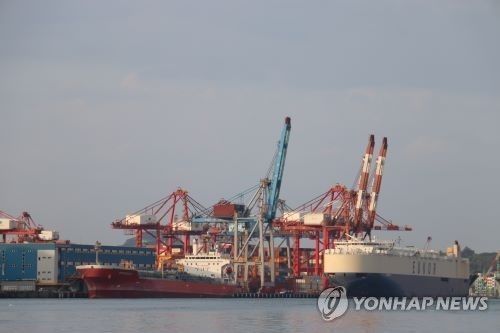
The Ministry of Economic Affairs explained that without attaching this document?which is one of the required customs declaration forms?exporting goods to the United States will not be permitted. Violations may result in fines of up to 3 million New Taiwan dollars (approximately 130 million won) in accordance with the Trade Act. However, the ministry emphasized that the purpose of this document is not to restrict product exports, but rather to completely block violations such as origin laundering by Chinese companies and to protect the interests of Taiwan's economic and trade sectors.
Meanwhile, President Lai Ching-te of Taiwan outlined five key focus areas to respond to the U.S.-imposed tariff hikes during a roundtable meeting with local industry leaders held in Keelung, northern Taiwan, the previous day.
At the roundtable, President Lai emphasized that Taiwan will actively pursue the following: discussions with the United States on "zero tariffs"; expanding purchases from the U.S. in sectors such as agriculture, industry, liquefied natural gas (LNG), and defense; increasing Taiwanese investment in the U.S., particularly in electronic information and communications industries; proactively addressing non-tariff trade barriers; and resolving U.S. concerns regarding origin laundering. Through these efforts, he aims to resolve the current reciprocal tariff issue, expand exports, and vigorously advance Taiwan's medium- to long-term economic development plans.
© The Asia Business Daily(www.asiae.co.kr). All rights reserved.












