First Case of Vibrio Vulnificus Detected on the West Coast of North Jeolla This Year
Appeared a Week Earlier Than Last Year
Fatality Rate Reaches 50% Upon Infection
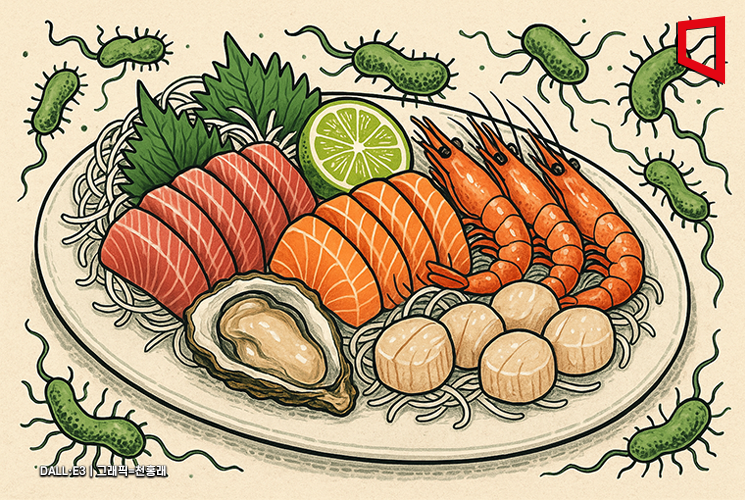
The first case of Vibrio vulnificus bacteria was detected this year on the west coast of North Jeolla Province. This detection occurred about a week earlier than last year, which is believed to be the result of rising seawater temperatures due to global warming.
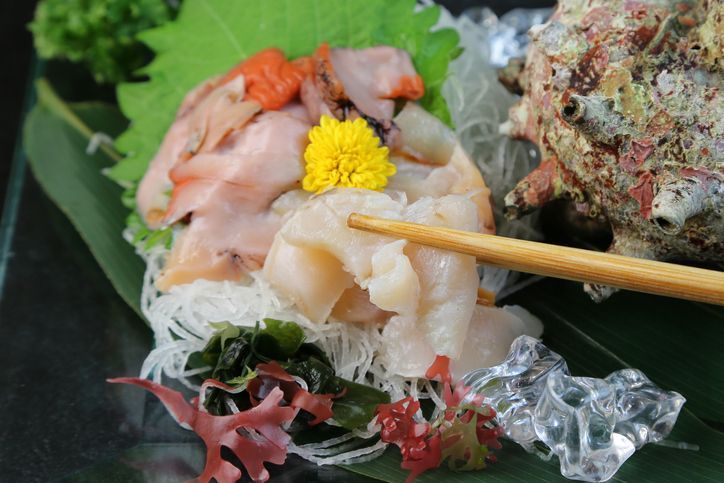 Vibrio vulnificus infection mainly occurs when consuming raw or undercooked contaminated seafood or when wounded skin comes into contact with contaminated seawater. The fatality rate can reach up to 50% upon infection. It is especially deadly for high-risk groups with underlying conditions such as liver disease, diabetes, and immunosuppression. Photo by Getty Images
The North Jeolla Institute of Health and Environment announced on April 22 that Vibrio vulnificus bacteria had been detected for the first time this year on the west coast of North Jeolla Province. The detection was confirmed in seawater collected on April 14. This is about a week earlier than last year, when the first detection occurred on April 23.
The institute conducts weekly surveillance for Vibrio outbreaks from April to October, focusing on west coast areas such as Gunsan, Gochang, and Buan. The institute analyzed that the detection period for Vibrio vulnificus is advancing each year due to rising seawater temperatures caused by global warming.
Vibrio vulnificus bacteria proliferate actively when seawater temperatures exceed 18°C. During the colder winter months, the bacteria overwinter in tidal flats at the bottom of the sea and are known to be detected in surface waters as temperatures rise.
Vibrio vulnificus infection mainly occurs when consuming raw or undercooked contaminated seafood, or when wounded skin comes into contact with contaminated seawater. The average incubation period is 12 to 72 hours. Major symptoms include acute fever and chills, low blood pressure, abdominal pain, and diarrhea. Within 24 hours of symptom onset, lesions such as swelling, redness, ecchymosis, blisters, and ulcers mainly appear on the skin of the legs.
Vibrio vulnificus infection is classified as a third-degree notifiable infectious disease. It is not transmitted directly from person to person. However, the fatality rate can reach up to 50% upon infection. It is especially deadly for high-risk groups with underlying conditions such as liver disease, diabetes, and immunosuppression.
To prevent Vibrio vulnificus infection, seafood must be thoroughly cooked at temperatures above 85°C and stored at or below 5°C. It is also important to disinfect cutting boards and knives used to prepare seafood and to follow other preventive measures. In addition, individuals with wounds on their hands or skin should avoid contact with seawater.
Jeon Kyungsik, director of the North Jeolla Institute of Health and Environment, stated, "Vibrio vulnificus infection is a highly fatal disease, so high-risk groups with underlying conditions must be especially careful." He added, "The institute will continue its surveillance efforts to ensure the safety of local residents."
© The Asia Business Daily(www.asiae.co.kr). All rights reserved.













