Pepsi Imports Most of Its Concentrate from Ireland
"10% Tariff Puts It at a Disadvantage Compared to Coca-Cola"
The tariff war initiated by U.S. President Donald Trump is now shaking up the landscape of the cola market. The Wall Street Journal (WSJ) reported on the 20th (local time) that "PepsiCo, which manufactures most of its cola concentrate in Ireland, is at a disadvantage compared to Coca-Cola as it is subject to a 10% tariff."
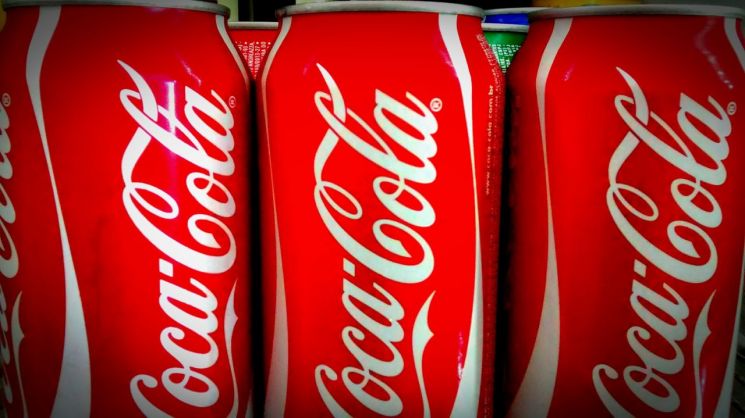
Cola is produced by mixing concentrate (base syrup) made in specialized facilities with water, carbon dioxide, sweeteners, and other ingredients. However, since the production sites for the concentrate differ by company, the current tariff war has resulted in winners and losers.
PepsiCo, the manufacturer of Pepsi Cola, built its first cola concentrate plant in Ireland in 1974 to benefit from low corporate tax rates. The company produces concentrate in Ireland, ships it to bottling plants in the United States, and then mixes it with water, carbon dioxide, and sweeteners to create the final cola product. The same process applies to other PepsiCo products such as Mountain Dew.
The decision made about 50 years ago to reduce corporate taxes has become a direct blow under the Trump administration. This is because almost all of the Pepsi Cola concentrate sold in the United States is produced in Ireland, making it subject to a 10% tariff. In contrast, rival Coca-Cola also has some concentrate plants in Ireland, but most of the concentrate for the U.S. domestic market is produced in Atlanta and Puerto Rico, so the company has been relatively unaffected. As a result, Coca-Cola is now considered to have an advantage when it comes to tariffs.
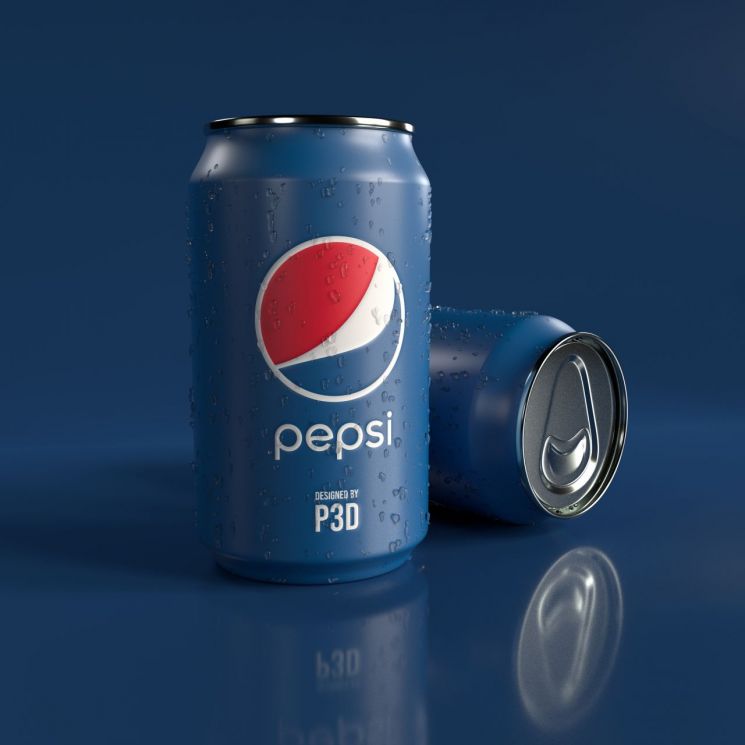
Carlos Laboy, an analyst at HSBC, commented, "Ireland enjoyed tax benefits for a long time until tariffs were imposed," adding, "No one anticipated these tariffs, and it is also uncertain how long they will last. However, it is clear that Pepsi is at a disadvantage."
PepsiCo now faces tariff risks at a time when it is making every effort to catch up with Coca-Cola. Over the past 20 years, Pepsi Cola has steadily lost market share in the U.S. and, last year, fell to third place behind Dr Pepper. In contrast, Coca-Cola has maintained its number one position with a 19.2% market share. So far, PepsiCo has not commented on any additional measures to mitigate the tariffs. Meanwhile, the WSJ predicted that, in addition to cola, other products such as jeans and toothpaste will also see winners and losers in the current tariff war depending on their country of origin.
© The Asia Business Daily(www.asiae.co.kr). All rights reserved.












