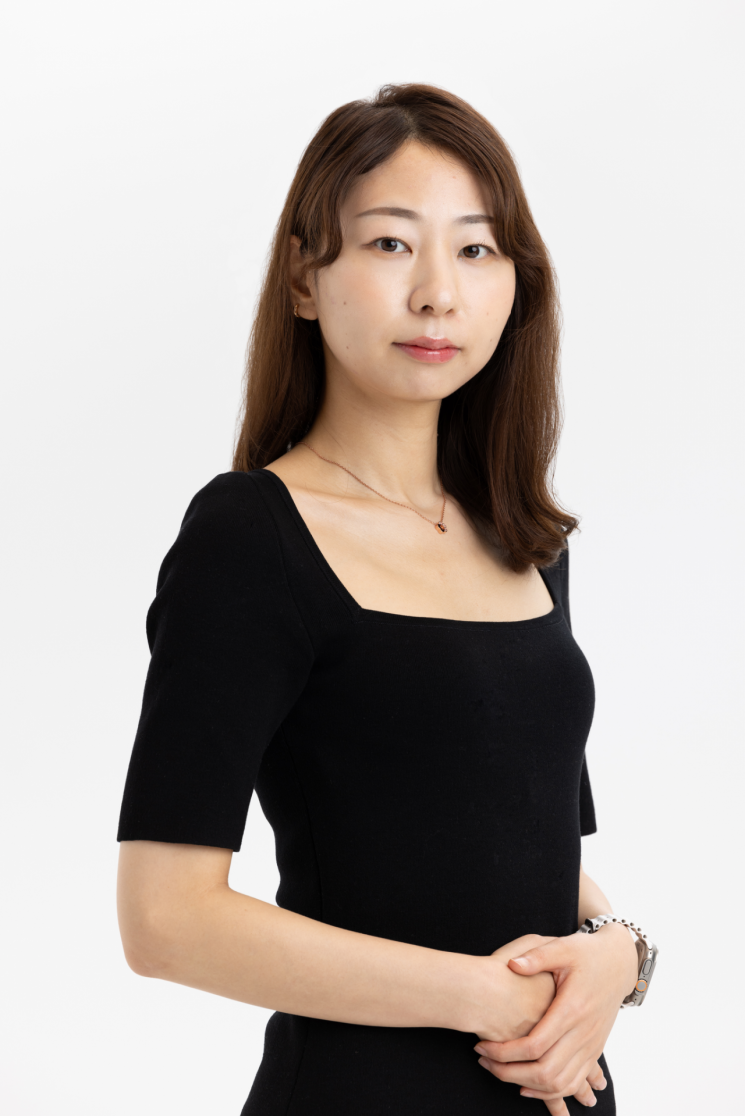
A Japanese novelist who won a prestigious literary award with a novel utilizing artificial intelligence (AI) has released a new work. While previously only 2% of the novel was written using ChatGPT, the new work was 95% created by AI, with the remaining 5% authored by the writer.
On the 25th, Japan's NHK reported, "95% AI... A novel by the Akutagawa Prize-winning author with 5% human writing will be published in a magazine." The protagonist is Rie Kudan, who won the Akutagawa Prize last year for "Tokyo Metropolitan East Tower." At the award press conference last year, Rie Kudan revealed, "Some parts of the work included sentences generated by the generative AI ChatGPT." In the work, the AI-generated sentences appear in sections where characters ask questions and AI provides answers, accounting for less than 2% of the total content.
According to the publisher, the judging panel commented, "Whether AI was used was not an issue during the evaluation," "Anyone reading the work would be convinced," "The work is highly polished and difficult to find faults with," and "It is a very unique piece even among recent Akutagawa Prize winners." When the AI-assisted novel attracted attention, a major advertising company proposed to the author, "This time, let's create a work where 95% is written by AI."
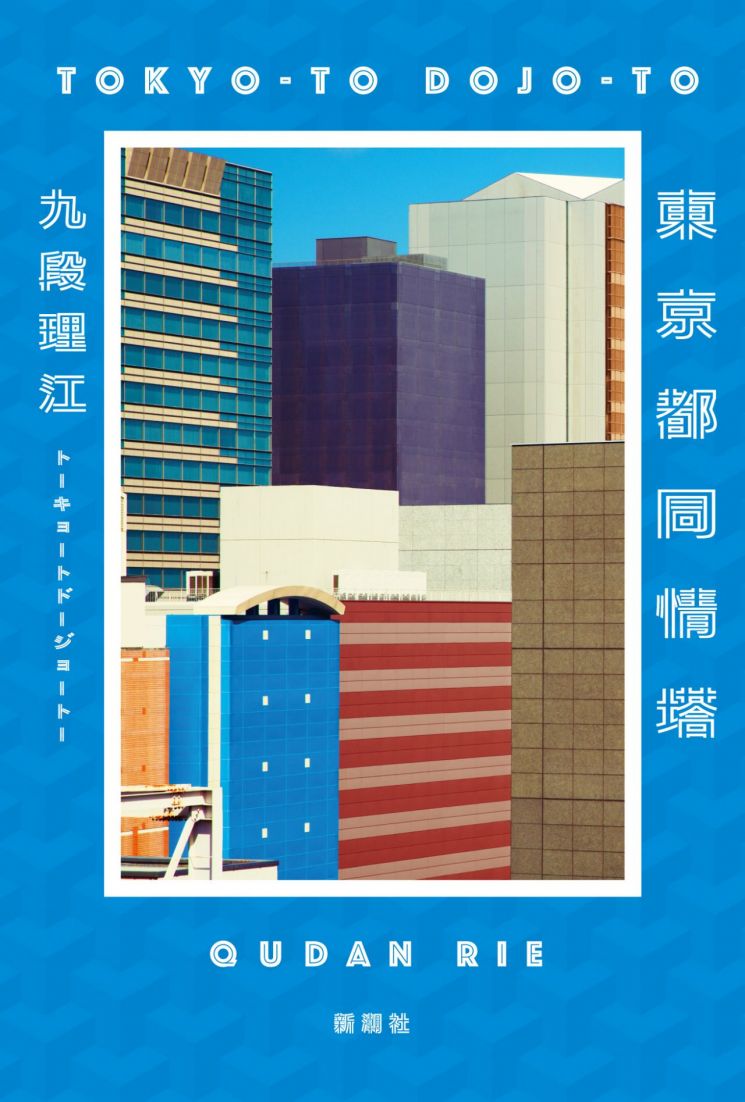 Cover of the novel "Tokyo Metropolitan Sympathy Tower" written by Rie from the club using ChatGPT. Provided by Shinchosha
Rie Kudan’s new short story, "Shadow Rain," is such a work. This story was written 95% by ChatGPT and 5% by the author. "Shadow Rain" is a short story exploring the question "What is the purpose of emotions?" through an AI left in a world after humanity has disappeared, encountering traces of human memories and feelings.
The initial theme setting and story development were entirely entrusted to AI, while the author provided feedback and directed the narrative’s direction during the writing process. The writing period was just over two weeks. Rie Kudan told NHK, "I accepted it as a new challenge, and in terms of co-creating with generative AI, I am satisfied with the novel’s completeness," adding, "It gave me an opportunity to rethink the fundamental meaning of humans imagining fiction."
© The Asia Business Daily(www.asiae.co.kr). All rights reserved.













